Look at any old photograph of Indian streets, from the 1960s, 1970s, even 1980s, and something is conspicuously absent: parked cars. Streets were for walking, hawking, playing. Today, those same streets are choked with vehicles claiming every available centimeter. This transformation happened gradually, then suddenly.
The Pre-Car City
Indian cities weren't designed for automobiles. Streets followed pedestrian logic: narrow lanes, irregular widths, multi-use surfaces. The few vehicles that existed, Ambassadors of officials, buses on main roads, fit within spaces designed for people.
The Parking Invasion
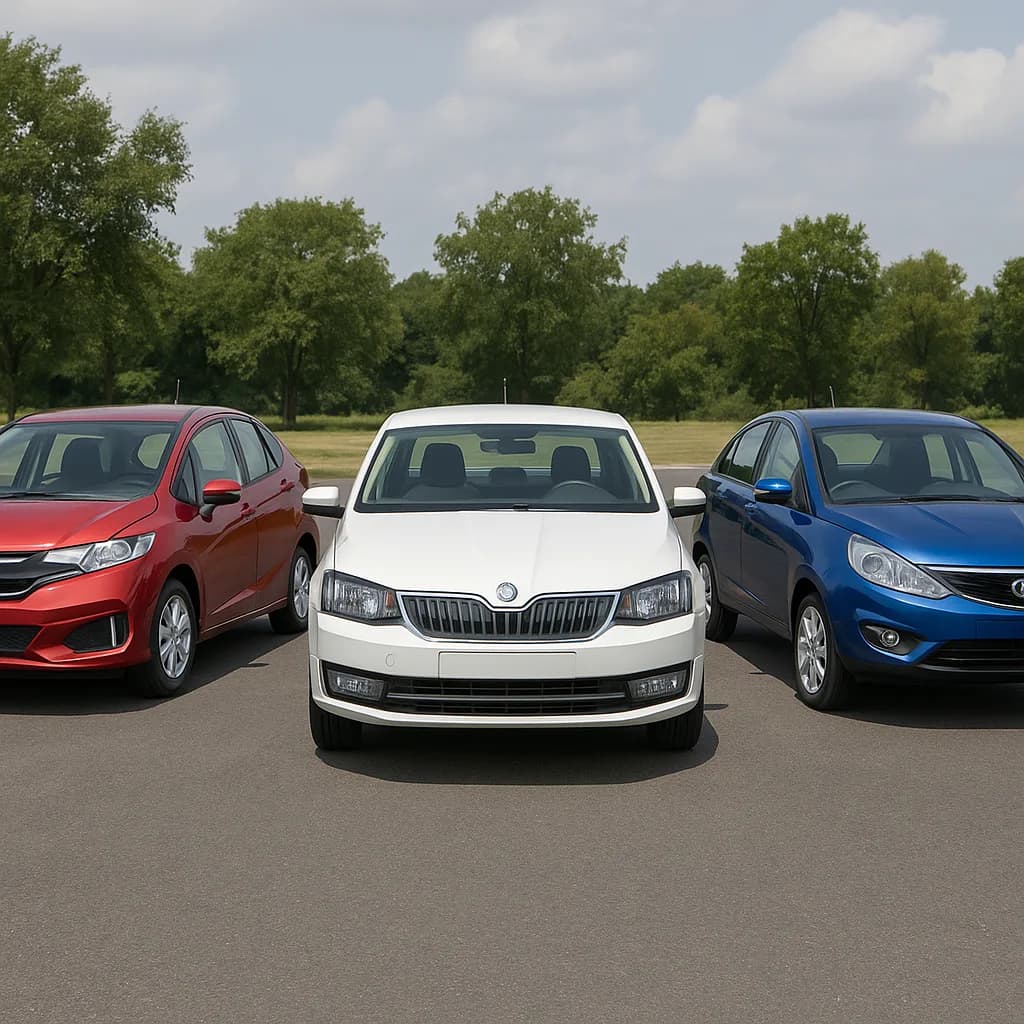
As vehicle ownership exploded post-liberalization, parked cars consumed public space. Footpaths became parking lots. Residential streets narrowed to single lanes between parked vehicles. Parks lost their margins. Every surface became fair game.
This happened without planning. No parking infrastructure was built because no parking infrastructure was required. When it became required, the investment seemed impossible.
The Social Contract Collapse
Parking occupies public space for private benefit. The car owner gains; pedestrians, cyclists, and residents lose. Yet there's no mechanism for this negotiation. Those with cars simply take space; those without accommodate.
This reflects broader patterns: private interest overriding public good when enforcement is absent.
Attempted Solutions
Multi-level parking, underground parking, mechanical parking, solutions exist but implementation lags. Parking pricing, charging market rates for public space, faces political resistance.
The Future
Either India builds parking (expensive), prices it appropriately (politically difficult), or restricts vehicle ownership (unpopular). The current equilibrium, free parking on public space creating gridlock, is unsustainable. Something will change; the question is what and when.
Regional Variations
India's diverse regions each have unique automotive cultures. From the decorated trucks of Punjab to the vintage car rallies of Mumbai to the modified vehicles of Chennai, local traditions shape how communities relate to automobiles. This diversity is part of India's rich automotive heritage.
Preservation and Memory
As automotive technology evolves rapidly, preserving heritage becomes increasingly important. Museums, collector communities, and documentation efforts ensure that future generations can connect with automotive history. The stories embedded in these machines deserve to be remembered and celebrated.
Cultural Significance
Cars have always been more than transportation in India, they're status symbols, family members, and markers of progress. Understanding this cultural context enriches appreciation for automotive heritage. The emotional connections people form with their vehicles transcend rational economic calculations.
Generational Perspectives
Different generations relate to automotive culture differently. Those who remember the scarcity of the license raj era view car ownership through a different lens than millennials who've known only market abundance. These varying perspectives create rich narratives around automotive history and future directions.
Curated by Nxcar , where our passion for old cars, cinema, and automotive nostalgia finds a home.