The Supreme Court of India has upheld a National Green Tribunal order mandating the phase-out of petrol vehicles older than 15 years and diesel vehicles older than 10 years in the Delhi-National Capital Region, affecting approximately 4.5 million registered vehicles.
The judgment, delivered by a three-judge bench, rejected appeals from vehicle owners' associations, ruling that the right to a clean environment takes precedence over property rights in vehicles. Implementation will begin in phases from April 2025.
Implementation Timeline
Commercial vehicles (trucks, buses, taxis) must comply by April 2025. Private diesel vehicles over 10 years by October 2025. Private petrol vehicles over 15 years by April 2026. Vehicles failing to comply will have their registration certificates automatically canceled.
Related Reading
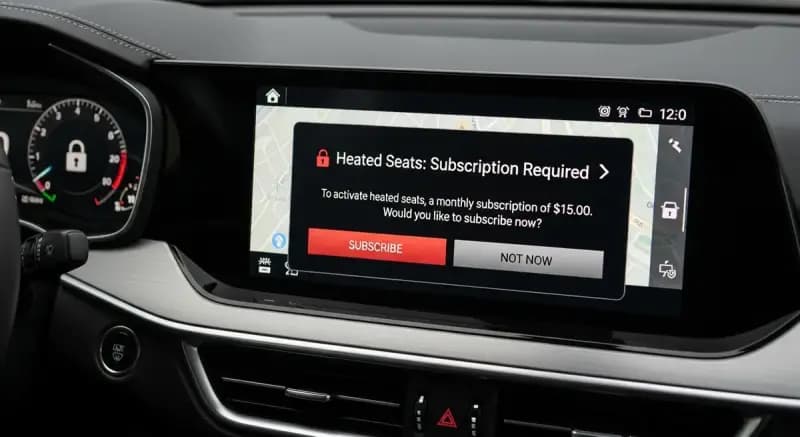
Subscription Car Features Are Corporate Theft"Air pollution is a public health emergency," wrote Justice D.Y. Chandrachud in the judgment. "The right to life includes the right to breathe clean air. We cannot allow private convenience to override public health."
Market Disruption
The ruling has immediate implications for the automobile industry. Analysts expect a surge in new car sales as affected vehicle owners seek replacements, but also a potential crash in used car values for borderline-age vehicles.
"This effectively creates a floor on vehicle age for Delhi-NCR," notes CRISIL automotive analyst Hetal Gandhi. "We expect 800,000 additional new vehicle sales over the next 18 months as replacement demand materializes."
Scrappage Industry
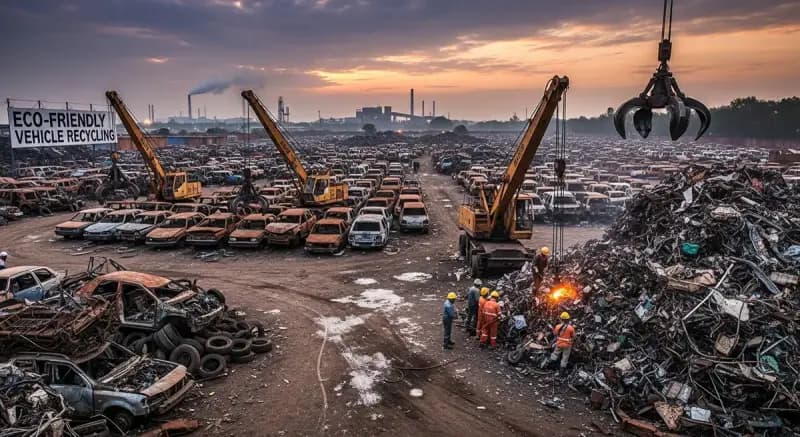
The government's vehicle scrappage policy, which offers incentives for scrapping old vehicles, will see accelerated uptake. Vehicle owners trading in old cars at registered scrapping facilities receive road tax waivers and discounts of 5-7% on new vehicle purchases.
Related Reading
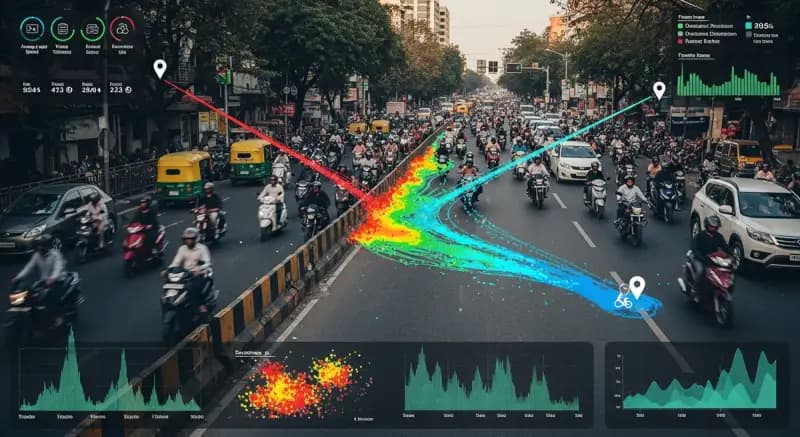
The Role of Two-Wheelers in Urban Mobility: Time-Motion AnalysisEnvironmental groups have welcomed the ruling, though they advocate for stricter nationwide standards. "Delhi leads, and other cities will follow," predicts Centre for Science and Environment director Anumita Roychowdhury.
Regional Variations
The impact will vary across different Indian markets. Metropolitan areas with higher purchasing power may see accelerated adoption of new technologies and brands. Tier-2 and Tier-3 cities, which increasingly drive automotive sales growth, will likely follow different adoption curves based on infrastructure readiness and price sensitivity.
Looking Ahead
As the Indian automotive market matures, developments like these reshape the competitive landscape. The coming years will reveal which players successfully navigate these transitions and which struggle to adapt. Consumers ultimately benefit from increased competition and innovation, though the transition period may bring uncertainty for some segments.
Industry Impact
This development carries significant implications for India's automotive ecosystem. Industry analysts suggest that the ripple effects will be felt across the supply chain, from component manufacturers to dealership networks. The competitive landscape is likely to shift as established players respond to market dynamics and consumer expectations evolve.
Related Reading
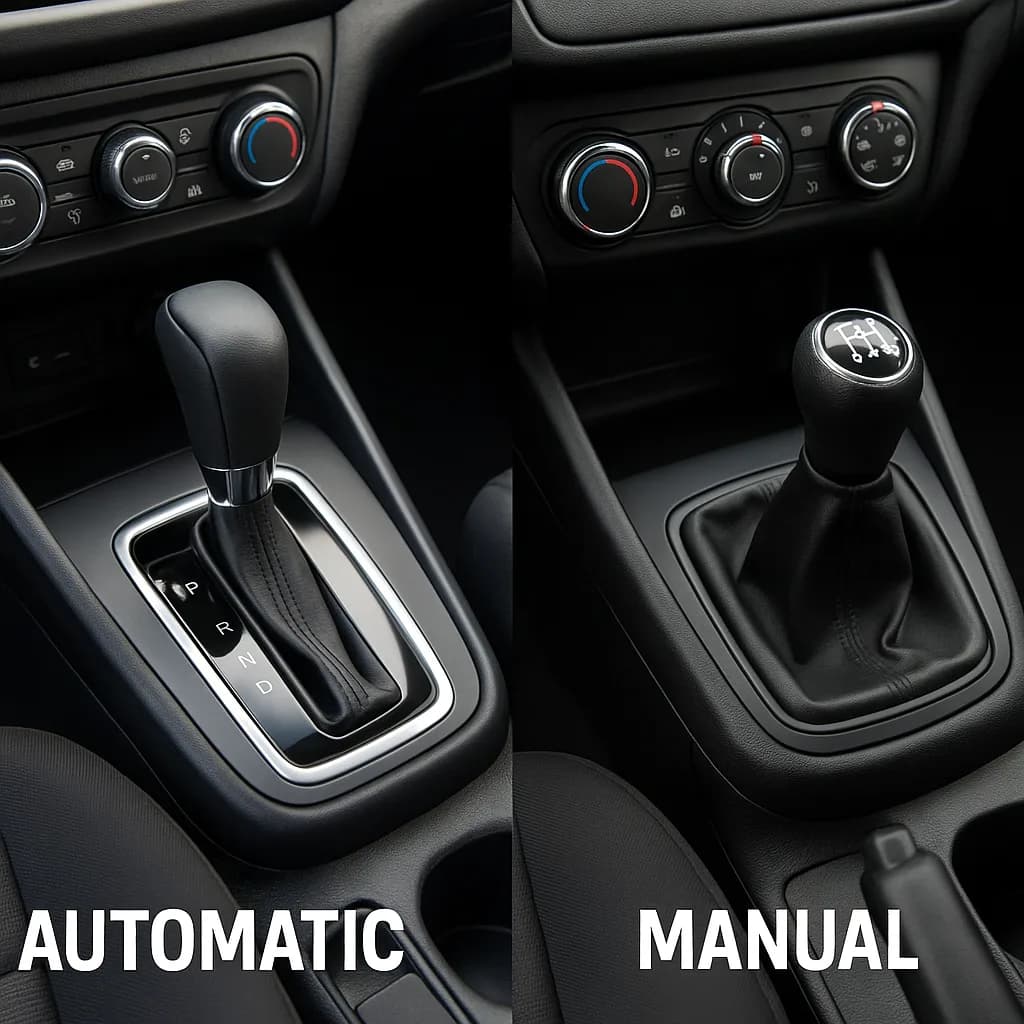
Monsoon-Proofing: What to Check Before Buying Used CarsConsumer Perspective
For Indian car buyers, these changes present both opportunities and considerations. Price-conscious consumers may find new value propositions emerging, while those focused on long-term ownership costs should factor in evolving technology and service networks. The market is becoming increasingly sophisticated, requiring buyers to make more informed decisions.
The Nxcar team curated this piece with the same passion that drives our love for vintage beauties and modern machines alike.