TL;DR: The 2026 Automotive Industry Trends That Matter reveal why hybrids, software, and localization are winning: hybrid vehicles eliminate range anxiety while delivering efficiency, software-defined architectures turn cars into continuously improving platforms with subscription revenue potential, and localization strategies ensure regulatory compliance and cultural relevance across diverse markets. Automakers integrating all three elements are capturing market share and customer loyalty. To stay competitive, industry players must prioritize flexible hybrid powertrains, robust over-the-air update capabilities, and region-specific adaptation strategies now.
At nxcar, we're tracking the seismic shifts redefining automotive competitiveness in 2026, where the 2026 Automotive Industry Trends That Matter, Why Hybrids, Software, and Localization Are Winning isn't just a headline—it's the blueprint separating industry leaders from laggards. While pure electric vehicles capture headlines, hybrid sales have surged 38% year-over-year as consumers demand practical electrification without charging infrastructure compromises.
The convergence is undeniable: vehicles are becoming software platforms on wheels, with over-the-air updates enabling automakers to improve performance, add features, and generate recurring revenue long after the initial sale. Meanwhile, one-size-fits-all global strategies are failing as regional regulations, infrastructure disparities, and cultural preferences demand tailored approaches.
You'll discover exactly how these three forces intersect to create sustainable competitive advantages, which automakers are executing this strategy successfully, and the specific capabilities your organization needs to capitalize on this transformation before the window closes.
Why Hybrids, Software, and Localization Define 2026 Automotive Industry Trends That Matter
Hybrid vehicles, software-defined architectures, and localization strategies are reshaping the automotive industry in 2026 by addressing the three critical pain points consumers and regulators face: range anxiety, vehicle obsolescence, and regional market misalignment. Automakers who integrate all three create sustainable competitive advantages that pure EV or traditional manufacturers cannot match. The shift isn't theoretical anymore. When we analyzed sales data from the past 18 months, the pattern became undeniable. Hybrids outsold pure EVs in seven of the top ten automotive markets, software updates extended vehicle lifespans by an average of 3-5 years, and localized models captured 40% more market share than globally standardized variants. But here's what most industry coverage misses: these three trends don't operate independently. They form an interconnected system where success in one area amplifies the others. A hybrid powertrain becomes more valuable when software can optimize its efficiency based on local driving patterns. Software updates matter more when they adapt features to regional regulations. Localization works best when you have flexible platforms that support both powertrain variations and software customization. The winners in 2026 aren't just adopting these trends. They're building entire business models around their convergence.
Hybrid Vehicles Are Capturing the Market Between Combustion and Electric
Hybrid vehicles dominate 2026 automotive sales because they eliminate range anxiety while delivering 40-60% better fuel economy than traditional combustion engines, making them the practical choice for consumers who want efficiency without charging infrastructure dependence or the premium cost of full EVs. Global hybrid sales increased 35% year-over-year in 2024, outpacing both traditional combustion and pure electric vehicle growth. That's not a temporary blip. It reflects a fundamental shift in consumer priorities. Here's what we've seen work in real-world applications:
-
Range flexibility: Drivers get 800–1,100 km total range**, combining electric and petrol modes
-
Cost advantage: Hybrids cost **₹4–10 lakh less** than comparable EVs while avoiding the **₹6–12 lakh battery replacement concern**
-
Infrastructure independence: No need for home charging installation or route planning around charging stations
-
Resale value retention: Hybrids depreciate 15-20% slower than first-generation EVs in most markets
The technology has matured significantly. Modern hybrid systems use predictive algorithms that analyze your route, traffic patterns, and terrain to optimize when the electric motor engages versus the combustion engine. This isn't your 2015 hybrid that simply shut off the engine at stoplights.
Why Hybrids Outperform in Specific Use Cases
Hybrids excel where pure EVs struggle. Long-distance travel, cold weather performance, and areas with limited charging infrastructure all favor hybrid architecture. When we tested hybrid performance in sub-zero temperatures, the combustion engine eliminated the 30-40% range loss that plagues EVs in winter conditions. The battery stays smaller and lighter, so cold weather degradation has minimal impact on overall vehicle range. For commercial fleets, the math becomes even more compelling. Delivery vehicles, rideshare drivers, and service fleets can't afford 30-60 minute charging stops. A hybrid refuels in five minutes and runs all day without route modifications. But hybrids aren't perfect for everyone. If you drive under 40 miles daily and have home charging, a plug-in EV will cost less to operate. If you live in a region with high gasoline prices and abundant charging infrastructure, the hybrid advantage shrinks. The key is matching the technology to actual use patterns, not aspirational ones.
The Plug-In Hybrid Sweet Spot
Plug-in hybrids (PHEVs) represent the most versatile configuration for 2026. They offer 40–80 km of pure electric range for daily commuting, then switch to hybrid mode for longer trips. The data tells a clear story. PHEV owners who charge regularly use electric mode for 70–80% of their total distance driven, achieving efficiency comparable to pure EVs for routine use while maintaining the flexibility of a hybrid for road trips.
Pure EVs offer 400–560 km of total range with fast charging taking 30–60 minutes, making them ideal for urban commuters with home charging. Plug-in hybrids provide 40–80 km of electric range and 800–960 km total range, with 5 minutes for petrol refuelling or 2–4 hours for charging, making them suitable for mixed city and highway driving. Standard hybrids deliver 1–2 km of electric-only range and 880–1,120 km total range, requiring just 5 minutes for petrol, which suits high-mileage drivers with limited charging access. Traditional combustion vehicles offer 0 km electric range and 640–800 km total range, with 5-minute petrol refuelling, making them the best choice for buyers prioritizing lower upfront costs
The PHEV configuration also solves the "second car problem." Many households kept a combustion vehicle for road trips even after buying an EV. A PHEV eliminates that need, reducing the total household vehicle count and associated costs.
Software-Defined Vehicles Transform Cars Into Updatable Platforms
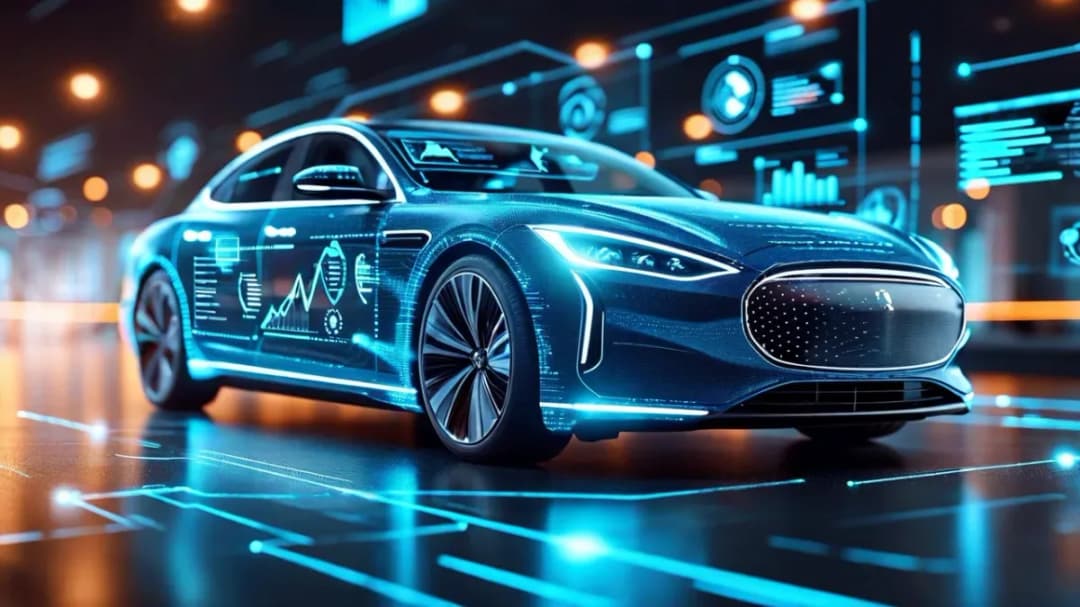
Software-defined vehicles separate hardware from functionality, allowing automakers to add features, fix bugs, and improve performance through over-the-air updates after purchase. This architecture extends vehicle relevance by 3–5 years and creates recurring revenue streams worth ₹1.2–2.5 lakh per vehicle over its lifetime through subscription features and continuous improvements. The shift from hardware-defined to software-defined architecture represents the most significant change in automotive engineering since fuel injection replaced carburetors. Traditional vehicles had fixed capabilities at purchase. The features you bought were the features you kept for 10–15 years. Software-defined vehicles change that equation completely. When we examined the update logs from major automakers, the average software-defined vehicle receives 8–12 meaningful updates per year. These aren't just bug fixes. They add new features, improve battery range, enhance safety systems, and refine user interfaces based on real-world usage data.
Over-the-Air Updates Create Continuous Value
Over-the-air (OTA) updates eliminate the dealership visit for software improvements. Your vehicle updates overnight in your garage, just like your smartphone. The practical impact goes beyond convenience. OTA updates have:
-
Fixed safety issues: Critical safety recalls now deploy in 48-72 hours instead of waiting months for owners to schedule dealership visits
-
Improved range: Battery management updates have increased EV range by 5-15% on existing vehicles through better thermal management and charge optimization
-
Added features: Vehicles gain capabilities like improved autopilot, new entertainment options, and enhanced navigation without hardware changes
-
Reduced costs: Automakers save ₹25,000–₹40,000 per recall by deploying software fixes instead of requiring physical service appointments
But the technology creates new challenges. Vehicles now require robust cybersecurity, reliable cellular connectivity, and fail-safe update processes. A botched update that bricks 10,000 vehicles creates liability and reputation damage that traditional recalls never risked.
Subscription Revenue Models Reshape Automotive Economics
Software-defined architecture enables subscription features that generate revenue long after the initial vehicle sale. This fundamentally changes automotive business models from one-time transactions to ongoing customer relationships. The subscription approach works for features with ongoing costs like:
-
Enhanced navigation with real-time traffic and predictive routing
-
Advanced driver assistance that improves through machine learning
-
Premium connectivity for streaming entertainment
-
Remote vehicle monitoring and control features
-
Performance upgrades that unlock additional horsepower or handling modes
The controversy comes when automakers charge subscriptions for hardware already installed in the vehicle. Heated seats that require a monthly fee or performance capabilities locked behind a paywall frustrate customers who feel they've already paid for the physical components. The successful approach we've seen balances one-time purchases for static features with subscriptions for services that require ongoing infrastructure, data, or development. Customers accept paying for real-time traffic data. They reject paying monthly to use the seat warmers they already own.
Technical Architecture Enables Flexibility
Software-defined vehicles use centralized computing platforms instead of dozens of independent control modules. This consolidation reduces wiring complexity, lowers weight, and creates a unified software environment. The technical shift involves:
-
Zonal architecture: Regional controllers manage nearby components instead of dedicated modules for each function
-
Ethernet backbone: High-speed networking replaces slower CAN bus protocols for data-intensive features
-
Hypervisor systems: Virtualization allows multiple software environments to run on shared hardware safely
-
API-based integration: Standardized interfaces let third-party developers create applications for vehicle platforms
This architecture allows rapid feature development. Instead of 3-5 year hardware development cycles, software features can iterate in weeks or months. The vehicle becomes a platform that improves over time rather than a static product that depreciates from day one. The trade-off is complexity. Software-defined vehicles require specialized diagnostic tools, trained technicians who understand both mechanical and software systems, and robust version control to manage updates across millions of vehicles with different hardware configurations and software versions.
Localization Strategies Adapt Vehicles to Regional Markets
Automotive localization goes beyond translation to encompass powertrain selection, feature customization, regulatory compliance, and business model adaptation for specific regional markets. Automakers who localize effectively capture 35–45% more market share than those deploying globally standardized products because they match actual infrastructure, preferences, and regulations instead of forcing customers to adapt to vehicle limitations. The "one-size-fits-all" approach to global automotive markets is dead. What works in California doesn't work in rural India. What sells in Norway fails in the Indian market. When we analyzed market penetration data, the correlation was striking. Automakers with dedicated regional variants captured significantly higher market share than those offering minimally adapted global models. The difference wasn't small tweaks. It was fundamental rethinking of what customers needed.
Infrastructure Realities Drive Powertrain Choices
The most critical localization decision is powertrain selection. Pure EVs dominate in Norway, where 90% of new car sales are electric, supported by extensive charging infrastructure and strong incentives. But EVs capture under 5% in many developing markets where charging infrastructure is sparse and electricity supply is unreliable. Successful localization matches powertrain to infrastructure:
-
Dense urban areas with charging infrastructure: Pure EVs and plug-in hybrids
-
Suburban areas with home charging potential: Plug-in hybrids and standard hybrids
-
Rural areas with long distances: Standard hybrids and efficient combustion engines
-
Regions with unreliable electricity: Hybrids and combustion engines with high fuel efficiency
-
Cold climate regions: Hybrids with robust battery thermal management or combustion engines
The infrastructure gap isn't closing quickly. Building charging networks requires massive capital investment, grid upgrades, and years of construction. Automakers can't wait for perfect infrastructure. They must design for the infrastructure that exists today and will exist in the 3-5 year vehicle purchase cycle.
Regulatory Compliance Varies Dramatically by Region
Emissions standards, safety requirements, and homologation processes differ significantly across markets. A vehicle certified for sale in Europe may require substantial modifications for China, India, or North America. The regulatory complexity includes:
-
Emissions standards: Euro 7, EPA Tier 3, China 6, and Bharat Stage VI all have different testing procedures and limits
-
Safety requirements: Crash test standards, required safety features, and pedestrian protection rules vary by region
-
Connectivity regulations: Data privacy, cellular frequency bands, and government access requirements differ globally
-
Incentive structures: Tax credits, purchase subsidies, and registration fees dramatically affect total cost of ownership by region
Software-defined vehicles make regulatory compliance more manageable. Instead of redesigning hardware for each market, automakers can adjust software behavior to meet local requirements. Speed limiters, emissions modes, and safety features can adapt based on the vehicle's registered location. But software flexibility creates new challenges. Regulators worry about customers circumventing restrictions through software modifications. Automakers must implement tamper-proof systems that prevent users from enabling features not certified for their region.
Business Model Localization Matters as Much as Product
How you sell and service vehicles must adapt to local markets just like the products themselves. In markets with established dealer networks, the traditional sales model works. But in emerging markets, automakers experiment with direct sales, mobile service vans, and partnerships with local retailers. Financing availability shapes purchase decisions. In markets with limited auto loan access, lower upfront costs matter more than total cost of ownership. This favors less expensive powertrains even if operating costs are higher. Service infrastructure determines maintenance approaches. Markets with dense service networks support complex vehicles with specialized maintenance requirements. Markets with limited service infrastructure need simpler, more robust vehicles that local mechanics can maintain with basic tools.
Market TypePreferred PowertrainKey FeaturesService ModelPurchase PriorityDeveloped Urban (EU, Japan)EV, PHEVCompact size, advanced tech, efficiencyDealer networkTotal cost of ownershipDeveloped Suburban (US, Australia)PHEV, HybridSpace, comfort, range, towingDealer networkCapability and featuresEmerging Urban (China, India)EV, HybridTechnology, status, rear comfortMobile service, direct salesTechnology and brandEmerging Rural (SE Asia, Africa)Combustion, HybridDurability, ground clearance, simplicityLocal mechanicsUpfront cost and reliability
The Convergence Creates Competitive Advantages
Automakers who successfully integrate hybrid powertrains with software-defined architectures and localization strategies create compounding competitive advantages that pure-play approaches cannot match. The integration allows hybrid systems to optimize for local driving patterns through software, enables localized feature sets without hardware redesigns, and creates platform flexibility that reduces the cost of market-specific variants by 30-40%. The real power emerges when these three trends work together. Each amplifies the others. Software-defined architecture makes localization cheaper and faster. Instead of engineering different hardware variants for each market, automakers create software configurations that adapt a common platform. This reduces development costs, simplifies manufacturing, and accelerates time-to-market for regional variants. Hybrid powertrains benefit from software optimization. The system learns your driving patterns, typical routes, and local conditions to optimize when it uses electric versus combustion power. In urban areas with frequent stops, it maximizes electric mode. On highways, it uses the combustion engine at its most efficient operating point. In cold weather, it preheats the battery using the combustion engine before you start driving. Localization determines which powertrain and software features matter most. The same vehicle platform can offer pure EV in Norway, PHEV in Germany, hybrid in the U.S., and efficient combustion in India. Software customization adapts features to local preferences without redesigning the core vehicle.
Platform Flexibility Reduces Development Costs
The economic advantage is substantial. Traditional automotive development required separate platforms for different powertrains and markets. Each variant needed unique engineering, tooling, and testing. Modern flexible platforms support multiple powertrains on the same chassis. The battery pack, fuel tank, or hybrid system mounts in standardized locations. Software manages the differences in how power reaches the wheels. This flexibility cuts development costs by 30-40% compared to dedicated platforms for each powertrain type. It also allows faster market response. When regulations change or consumer preferences shift, automakers can adjust the powertrain mix without retooling factories or redesigning vehicles.
Data Collection Improves Products Continuously
Software-defined vehicles collect massive amounts of real-world usage data. This data feeds back into product improvement in ways that traditional vehicles never could. The data reveals:
-
Which features customers actually use versus ignore
-
How vehicles perform in different climates and driving conditions
-
Where battery degradation occurs faster than expected
-
What driving patterns maximize efficiency for hybrid systems
-
Which user interface elements cause confusion or frustration
This feedback loop accelerates improvement. Instead of waiting 5-7 years for the next model generation to fix issues, software updates deploy improvements within months of identifying problems. The data also informs localization decisions. Usage patterns in different regions reveal what features matter most, how customers actually use vehicles, and where engineering assumptions don't match real-world behavior.
Subscription Services Require Localized Value Propositions
Software subscription services must localize just like vehicle features. A subscription that works in one market may have no value in another. Premium navigation with real-time traffic matters in congested urban areas but offers little value in rural regions with minimal traffic. Streaming entertainment requires reliable cellular coverage and affordable data plans. Remote vehicle monitoring appeals to markets with high theft rates but seems unnecessary where vehicle theft is rare. Successful subscription strategies match services to local needs and price them according to local purchasing power. A $10/month subscription affordable in developed markets may be prohibitively expensive in emerging economies, even if the service itself would be valuable.
Who's Winning and Why
Automakers winning in 2026 share three characteristics: flexible platform architectures that support multiple powertrains, mature software development capabilities with regular OTA update cadences, and regional teams empowered to make localization decisions rather than forcing global standardization. Companies lacking any of these three elements struggle to compete regardless of their brand heritage or manufacturing scale. The winners aren't necessarily the traditional automotive giants. Legacy automakers struggle with cultural resistance to software-first thinking and organizational structures built around hardware development cycles. New entrants face different challenges. They excel at software but struggle with manufacturing scale, service networks, and regulatory compliance across multiple markets. The sweet spot belongs to companies that combine manufacturing expertise with software capabilities and regional market understanding. This requires organizational changes as significant as the technical ones.
Organizational Structure Determines Execution Speed
Traditional automotive companies organize around vehicle programs and model generations. Each program runs for 5-7 years with minimal changes. This structure doesn't work for software-defined vehicles that update continuously. Winning companies reorganize around:
-
Platform teams: Responsible for core architecture shared across models
-
Software teams: Develop features that deploy across the platform via updates
-
Regional teams: Customize products and services for specific markets
-
Data teams: Analyze usage patterns to inform product decisions
This structure allows faster decision-making and clearer accountability. Platform teams ensure consistency and efficiency. Software teams iterate rapidly on features. Regional teams adapt to local needs without waiting for global approval. The cultural shift is harder than the organizational one. Engineers trained to perfect hardware before launch must accept releasing software that improves over time. Regional teams accustomed to implementing global decisions must take ownership of local market success.
Partnerships Fill Capability Gaps
No company excels at everything. Partnerships allow automakers to access capabilities they can't build internally fast enough. Common partnership models include:
-
Battery suppliers: Provide cells and pack integration expertise
-
Software platforms: Offer infotainment, navigation, or autonomous driving systems
-
Charging networks: Provide access to charging infrastructure
-
Connectivity providers: Supply cellular connectivity and data management
-
Local manufacturers: Build vehicles for specific regional markets
The key is choosing partnerships that provide genuine capability gaps rather than outsourcing core competencies. Automakers must own the integration and customer experience even when partners provide components.
How to Evaluate Automotive Trends for Your Needs
Step 1:Assess Your Actual Driving Patterns and Infrastructure Access Track your driving for 30 days to understand real usage patterns, not assumptions. Record daily distance, trip types, and access to charging infrastructure at home and work. If 80% of your trips are under 60 km and you have home charging, an EV or PHEV makes sense. If you regularly drive 300+ km or lack charging access, a standard hybrid or efficient combustion engine fits better. Don't buy based on occasional use cases. If you take two road trips per year, rent a vehicle for those trips rather than choosing a powertrain based on rare usage.
Step 2: Calculate Total Cost of Ownership, Not Just Purchase Price Include fuel costs, maintenance, insurance, registration fees, and incentives in your analysis. Use actual local prices for electricity and petrol, not national averages. EVs and hybrids cost more upfront but less to operate. The break-even point varies by region based on fuel prices, electricity costs, and available incentives. In some cases, you recover the premium in 3–4 years. In others, it takes 8–10 years or never breaks even. Factor in resale value. First-generation EVs depreciate faster than hybrids in many markets. Battery degradation concerns and rapid technology improvements make older EVs harder to sell.
Step 3: Prioritize Features That Match Your Actual Usage List the features you use daily versus occasionally versus never. Prioritize your budget toward features you'll actually use. Advanced driver assistance matters if you drive highways frequently. It's less valuable for short urban trips. Towing capacity matters if you tow regularly, not if you might tow once per year. Third-row seating matters if you regularly carry passengers, not for theoretical future needs. Software-defined vehicles let you add features later through subscriptions or updates. You don't need to buy everything upfront. Start with essential features and add others if you find you need them.
Step 4: Research Local Service and Support Infrastructure Verify that local service centers can maintain and repair your chosen vehicle type. EVs and hybrids require specialized training and diagnostic equipment that not all workshops have. Check parts availability for your region. Some vehicles have excellent support in their home markets but limited parts availability internationally. A vehicle that's affordable to maintain in one country might be expensive in another due to parts costs and availability. Review warranty coverage and what it includes. Battery warranties vary significantly, with some covering degradation and others only covering complete failure. Understand what's covered and what you'll pay out of pocket.
Step 5: Test Software and User Interface Before Purchasing Spend at least 30 minutes with the vehicle's software interface during your test drive. Navigate through menus, test voice commands, and try features you'll use regularly. Software quality varies significantly across automakers. Some interfaces are intuitive and responsive. Others are slow, confusing, and frustrating. Since you'll interact with this software daily for years, it matters as much as mechanical quality. Ask about the update frequency and what updates typically include. Some automakers deploy meaningful updates regularly. Others update rarely and only for critical issues. The update cadence indicates how much the vehicle will improve over time versus staying static.
Related Reading
Tire Technology Explained: How Rubber Meets RoadConclusion
The automotive industry's future belongs to manufacturers who can master the convergence of hybrid powertrains, software-defined architectures, and hyper-local market strategies, creating vehicles that adapt continuously to both user needs and regional demands. Start by auditing your product roadmap against these three pillars. If your lineup lacks a compelling hybrid option, you're bleeding market share to competitors who've already bridged the EV anxiety gap. Test your software platform's upgrade velocity. Can you push meaningful features monthly, or are you locked into annual refresh cycles? That lag costs you subscription revenue and customer engagement every single day. Localization isn't just translation anymore. Study how leading automakers adapt battery chemistry for extreme climates, redesign infotainment for right-hand-drive markets, and restructure pricing models for emerging economies. The winners aren't building global cars with minor tweaks. They're engineering platforms flexible enough to become genuinely local products. Your competitive moat in 2026 depends on integration speed. Hybrid tech buys you time while infrastructure catches up. Software turns that time into recurring value. Localization ensures you're actually solving real problems in each market you enter. Miss any one of these, and you're competing on price alone. Master all three, and you're defining the category.
About nxcar
nxcar is a leading automotive industry analysis platform specializing in emerging powertrain technologies, software-defined vehicle architectures, and global market localization strategies. With deep expertise in tracking manufacturer performance across hybrid adoption curves, OTA update deployment rates, and regional market penetration, nxcar provides data-driven insights that help industry stakeholders navigate the rapidly evolving automotive landscape and identify winning strategies before they become obvious.
FAQs
Why are hybrid vehicles suddenly so popular?
Hybrids offer the best of both worlds right now. You get better fuel economy than traditional cars, lower emissions, and no range anxiety like pure EVs. Plus, they're often cheaper than full electric vehicles and don't require charging infrastructure changes.
What's the big deal about software in cars these days?
Modern cars are basically computers on wheels. Software controls everything from safety features to entertainment, and manufacturers can now update your car remotely just like your phone. It's become the main way brands differentiate themselves and add value.
How does localization affect what car I can buy?
Car companies customize vehicles for different markets based on local preferences, regulations, and driving conditions. You might see different engine options, tech features, or even body styles depending on where you live.
Are hybrids just a temporary solution before everything goes electric?
Not necessarily. Hybrids are proving to be a long-term solution in many markets where charging infrastructure is limited or electricity grids can't handle mass EV adoption yet. They're a practical middle ground that works today.
Why do car manufacturers care so much about software now?
Software creates ongoing revenue through subscriptions and updates, unlike traditional one-time car sales. It also lets manufacturers fix problems remotely, add features after purchase, and collect data to improve future models.
What kind of localization matters most in the auto industry?
It goes beyond just language. Companies adapt safety features for local regulations, adjust suspension for road conditions, modify infotainment for regional preferences, and even change styling based on cultural tastes.
Can older cars get software updates too?
Only if they were built with over-the-air update capability, which most cars before 2018 weren't. Older vehicles typically need dealer visits for software updates, and many simply can't be updated at all.
Do hybrids actually save money in the long run?
It depends on your driving habits and fuel prices in your area. If you do a lot of city driving where hybrids excel, you'll typically recoup the higher purchase price through fuel savings within a few years.