TL;DR: I Almost Got Scammed Buying a Used Car—Here's the Exact Checklist You Need to protect yourself from fraudulent sellers. The scam nearly cost me ₹7,50,000 until I caught red flags like title inconsistencies and a seller refusing independent inspection. This guide provides a step-by-step verification checklist covering VIN checks, mechanic inspections, financial security measures, and post-scam recovery actions. Before handing over any money, verify the VIN against the title, demand a pre-purchase inspection by your mechanic, never wire deposits, and always meet at the RTO or bank for final transactions.
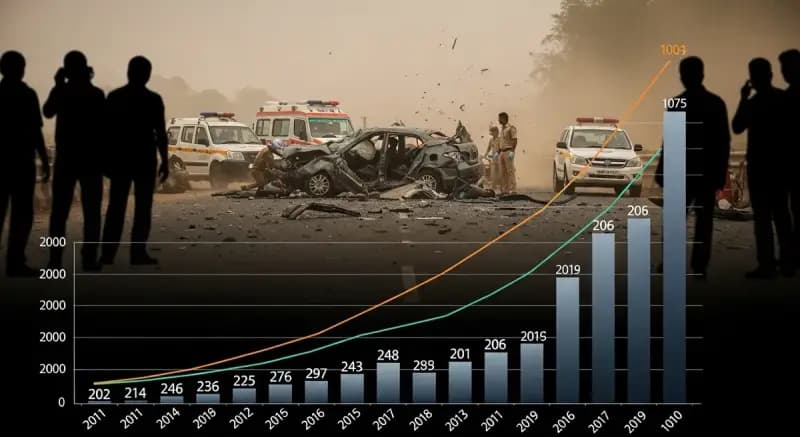
When you're searching for a reliable used car for sale, Nxcar stands as your trusted marketplace where verified listings and transparent seller practices protect you from the predatory tactics that nearly cost me thousands. I was minutes away from wiring a deposit on what seemed like the perfect SUV—until the seller's refusal to provide a simple vehicle history report made my stomach drop. According to the Ministry of Road Transport and Highways, odometer fraud alone costs Indian car buyers over ₹800 crore annually, and that's just one scam in a sprawling ecosystem of title washing, curbs toning, and phantom vehicle schemes.
This checklist will arm you with the exact verification steps that exposed my would-be scammer and will help you confidently navigate every used car purchase. You'll learn to spot manipulation tactics during initial contact, conduct thorough pre-purchase inspections that uncover hidden damage, protect your money from wire transfer scams, and know exactly what to do if you've already been targeted.
The Red Flags I Missed During Initial Contact and Viewing
Scammers exploit urgency and emotion when selling used cars by creating artificial pressure, hiding vehicle history, and pricing vehicles below market value to bypass your skepticism. Recognizing these red flags during initial contact and viewing prevents financial loss and protects you from title fraud, odometer rollback, and undisclosed damage. I'll never forget the moment I realized something was off. The seller had listed a 2018 Honda City with only 72,000 km for ₹7,50,000. That's roughly ₹2,50,000 below market value. I was excited. Too excited. When I called, the seller answered immediately and pushed hard for a same-day viewing. "I've got three other people coming tomorrow," he said. "If you want it, you need to see it today." That was red flag number one.
Pushy Seller Tactics That Should Make You Walk Away
Legitimate sellers don't create artificial urgency. They understand that buying a car is a major financial decision. When someone pressures you to decide immediately, they're trying to prevent you from doing proper research. Watch for these pressure tactics:
-
Same-day viewing demands: Scammers want you to act before thinking critically about the deal
-
Multiple "interested buyers" claims: Creating false competition to rush your decision
-
Deposit requests before viewing: Any request for money before you've seen the car in person is a scam
-
Meeting location changes: Legitimate sellers stick to agreed locations, usually their home or a public place
-
Resistance to questions: Honest sellers welcome detailed questions about the vehicle's history
The seller I dealt with checked three of these boxes. But I was blinded by the price.
When the Price Seems Too Good to Be True
Auto-related fraud cost Indians ₹2,800 crore in 2022, with below-market pricing being the most common lure. Scammers know exactly what similar vehicles sell for and price theirs 20-30% lower. I should have checked comparable listings immediately. When I finally did, every similar 2018 Honda City was listed between ₹10,50,000 and ₹12,50,000. The ₹7,50,000 price wasn't a deal. It was bait. Here's what artificially low pricing typically hides:
-
Salvage or rebuilt titles from major accidents
-
Rolled-back odometers (the car has far more kilometres than displayed)
-
Outstanding liens that transfer to you as the new owner
-
Flood damage or other environmental damage not visible during casual inspection
-
Stolen vehicles with cloned VINs
Real deals exist, but they're rare. If the price is significantly below market, you need an explanation that makes sense.
Reluctance to Share Vehicle History Documentation
When I asked for the vehicle history report, the seller hesitated. "I don't have one, but the car's clean. You can see for yourself." That's red flag number two. Every legitimate seller should provide or allow you to run a vehicle history report using the VIN. These reports cost ₹2,000 or less and reveal accident history, title status, service records, and ownership changes. The seller's reluctance told me everything. He didn't want me to see what the report would show. Other documentation red flags include:
-
Missing or "lost" title documents
-
Vague answers about previous owners
-
No maintenance records for a car supposedly well-maintained
-
Refusing to provide the VIN until you're "serious" (you need this to research the car)
-
Title in someone else's name with no clear explanation
I asked three times for the VIN to run my own report. Each time, he deflected. "Just come see it first, then we'll handle the paperwork." But paperwork isn't something you handle after deciding. It's part of the decision. So how did I almost fall for this? The car looked perfect during the viewing. Clean exterior, spotless interior, engine bay that looked detailed. The seller knew how to stage a vehicle. What I didn't know then was that cosmetic preparation means nothing without documentation. A ₹10,000 detail job can hide thousands in problems.
The Critical Pre-Purchase Inspection Checklist
A proper pre-purchase inspection combines VIN verification, independent mechanical assessment, comprehensive test driving, and title research to uncover hidden damage, outstanding liens, and safety issues that sellers conceal. This process costs ₹5,000-12,000 but prevents buying vehicles with ₹4,00,000+ in hidden repairs or legal complications. After my close call, I developed a systematic inspection process. I've used it on four subsequent vehicle purchases. It works. The inspection happens in four stages, each one essential. Skip any stage and you're gambling.
VIN Verification and Decoding
The Vehicle Identification Number is your first line of defense. It's a 17-character code that tells you everything about the vehicle's manufacturing origin, specifications, and history. Start by physically locating the VIN in multiple places:
-
Dashboard (visible through the windshield on the driver's side)
-
Driver's side door jamb sticker
-
Engine block (usually stamped on a metal plate)
-
Title and registration documents
All VINs must match exactly. If they don't, the vehicle has been tampered with or the VIN has been cloned from another car. I use online VIN decoder tools to verify the vehicle's year, make, model, and manufacturing plant. This confirms the seller's claims about the vehicle's specifications. Then I run the VIN through both CarDekho and another history service. Yes, both. They pull from different data sources and sometimes reveal different information. One might show an accident the other missed. What you're looking for in the vehicle history report:
-
Title status: Should be "clean," not salvage, rebuilt, or flood-damaged
-
Accident history: Any accidents involving airbag deployment or structural damage are deal-breakers
-
Odometer readings: Should increase consistently over time with no gaps or reversals
-
Service records: Regular maintenance suggests careful ownership
-
Number of owners: Multiple owners in short periods suggest problems
-
State history: Vehicles from flood-prone states after major monsoons warrant extra scrutiny
The car I almost bought? The VIN check revealed a salvage title from a 2019 accident. The seller had "forgotten" to mention that.
Independent Mechanic Inspection Requirements
Never use a mechanic recommended by the seller. Never let the seller choose the inspection location. You select the mechanic, you schedule the appointment, you're present during the inspection. I take every vehicle to a mechanic who specializes in that brand. Honda specialists know Honda problems better than general mechanics. The inspection costs ₹5,000-8,000 and takes 60-90 minutes. A thorough pre-purchase inspection should include:
-
Compression test on all cylinders to assess engine health
-
Transmission fluid condition and shift quality assessment
-
Brake system inspection including pad thickness and rotor condition
-
Suspension and steering component examination
-
Exhaust system check for leaks or damage
-
Fluid leak inspection (oil, coolant, transmission, brake fluid)
-
Electrical system test including battery, alternator, and starter
-
Tire condition and alignment check
-
Frame inspection for accident damage or rust
-
Computer diagnostic scan for error codes
The mechanic should provide a written report with photos of any issues found. This report becomes your negotiation tool if problems exist or your reason to walk away if they're severe. I've walked away from three vehicles based on mechanic findings. One had a cracked engine block hidden by stop-leak additives. One had frame damage poorly repaired. One had a transmission that was weeks from failure. Each time, the ₹5,000 inspection fee saved me thousands.
Test Drive Essentials You Can't Skip
The test drive isn't about enjoying the car. It's a diagnostic procedure. I test drive for at least 30 minutes, covering highway speeds, city driving, and parking maneuvers. The seller rides along, but I control the route. My test drive checklist:
-
Cold start: Engine should start smoothly without excessive cranking or rough idling
-
Acceleration: Should be smooth with no hesitation, jerking, or unusual noises
-
Transmission shifts: Should be imperceptible in automatic transmissions, clutch should engage smoothly in manuals
-
Braking: Should be straight and responsive with no pulling, vibration, or squealing
-
Steering: Should be responsive with no play, pulling, or vibration
-
Suspension: Should absorb bumps without excessive bouncing or clunking noises
-
Highway stability: Should track straight at 100+ kmph with no wandering
-
Climate control: AC should blow cold, heat should be hot, all fan speeds should work
-
Electronics: Test every button, switch, window, lock, and feature
I also test drive in reverse for at least 30 metres. Transmission problems often show up more clearly in reverse. Any seller who refuses a proper test drive or limits it to a quick loop around the block is hiding something.
Title and Lien Check Process
The title tells you who legally owns the vehicle and whether anyone else has a financial claim to it. Examine the physical title document carefully:
-
Seller's name must match their ID exactly
-
No liens should be listed in the lienholder section
-
Title should be clean, not branded as salvage, rebuilt, flood, or lemon
-
No signs of alteration, white-out, or tampering
-
State-issued watermarks and security features should be present
If a lien exists, the seller must pay it off before selling. The lienholder (usually a bank) holds the title until the loan is satisfied. Any seller claiming they'll "handle the lien after you pay" is setting up a scam. I verify title status through the state RTO. Most states offer online title checks using the VIN. This confirms the title is legitimate and reveals any undisclosed liens. Title fraud is real. Scammers create fake titles or use titles from similar vehicles. The RTO check catches this. What happens if the seller doesn't have the title? Walk away. "I'm still paying it off" or "the title is in the mail" are not acceptable. No title means no legal transfer of ownership.
Financial Verification Steps That Saved Me
Financial scams in used car sales target payment methods and exploit buyer urgency through wire transfer requests, fake escrow services, and pressure for large deposits before paperwork completion. Protecting yourself requires using secure payment methods, verifying escrow services independently, and securing loan pre-approval before shopping. The financial aspect is where most scams succeed. Buyers get excited about the car and let their guard down when it's time to pay. I almost wired ₹1,50,000 as a deposit. That money would have disappeared forever.
Payment Method Red Flags and Safe Alternatives
Cash seems simple, but it's dangerous for large transactions. No paper trail means no recourse if something goes wrong. Wire transfers are worse because they're irreversible. The seller I dealt with insisted on a wire transfer deposit "to hold the car." He provided bank account details and promised to hold the vehicle once the money arrived. That's a classic scam. Once you wire money, it's gone.
Payment MethodRisk LevelBuyer ProtectionBest Use CaseWire TransferExtremeNone - irreversibleNever use for private salesCashHighNone - no paper trailSmall deposits only (under ₹40,000)Personal CheckMediumLimited - can be stoppedNot recommended - long clearance timeCashier's CheckLow-MediumModerate - but can be fakedFinal payment with ID verificationBank Transfer (in-person)LowGood - both parties presentBest for large transactionsEscrow ServiceVery LowExcellent - funds held until conditions metHigh-value vehicles or remote sales
My safe payment protocol now:
-
No deposits before seeing the vehicle and verifying the title
-
Maximum ₹40,000 cash deposit if absolutely necessary, with signed receipt
-
Final payment via bank transfer conducted at my bank with both parties present
-
For vehicles over ₹13,00,000, I use a verified escrow service
-
All payment documentation includes VIN, date, amount, and both parties' signatures
I never pay in full until the title is in my hand and I've verified it with the RTO.
Escrow Service Scams and Verification
Escrow services protect both parties by holding funds until all conditions are met. But scammers create fake escrow websites that look legitimate. The seller I almost bought from suggested "using an escrow service for our protection." He sent me a link to what looked like a professional escrow company website. It was fake. The entire website was created to steal money. Real escrow services are licensed and regulated. I verify them through:
-
State licensing databases (escrow companies must be licensed)
-
Better Business Bureau ratings and complaint history
-
Direct phone contact using numbers from independent sources, not the website
-
Physical address verification (not just a P.O. box)
-
Years in business (established companies, not new startups)
Escrow.com is one of the few escrow services I trust for vehicle transactions. It's been operating since 1999 and is licensed in all states. Red flags for fake escrow services:
-
Seller suggests a specific escrow company you've never heard of
-
Website has poor grammar or looks hastily built
-
No physical address or only international addresses
-
Pressure to "act fast" or "limited time" offers
-
Requests for payment via wire transfer or cryptocurrency
-
No licensing information or regulatory oversight mentioned
If you can't independently verify the escrow service, don't use it.
Deposit Pressure Tactics and Appropriate Responses
Legitimate sellers understand that buyers need time for inspections and financing. Scammers create urgency to prevent due diligence. "I need a deposit today or I'm showing it to someone else tomorrow" is manipulation, not business. My response to deposit pressure: "I don't provide deposits until I've completed a mechanical inspection and verified the title. If you need to show it to others, I understand. I'll continue my search." This filters out scammers immediately. They disappear because they know informed buyers won't fall for their tactics. Appropriate deposit scenarios:
-
After successful mechanical inspection
-
After title verification
-
With a written agreement specifying refund conditions
-
Maximum 10% of purchase price
-
Receipt provided with VIN, date, and both signatures
Inappropriate deposit requests:
-
Before seeing the vehicle in person
-
Before mechanical inspection
-
Without written agreement
-
Via wire transfer or cryptocurrency
-
More than 10% of purchase price
I've never lost a legitimate deal by refusing to rush. Good sellers respect cautious buyers.
Loan Pre-Approval Importance and Process
Getting pre-approved for an auto loan before shopping gives you three advantages: you know your exact budget, you have negotiating power, and you avoid dealer financing scams. I get pre-approved through my bank before looking at vehicles. The process takes 24 hours and provides a maximum loan amount and interest rate. Pre-approval benefits:
-
Budget clarity: You know exactly what you can afford
-
Negotiating power: You're a cash buyer in the seller's eyes
-
Rate comparison: You can compare dealer financing offers against your pre-approval
-
Scam prevention: You're not dependent on seller financing arrangements
-
Time savings: No waiting for financing approval during negotiation
Banks typically offer better rates than dealer financing. My bank rate was 2.3% lower than the dealer's "best offer." The pre-approval process requires:
-
Credit check (soft pull for pre-qualification, hard pull for final approval)
-
Income verification (pay slips or tax returns)
-
Employment verification
-
Down payment amount
-
Desired loan term (36, 48, or 60 months typically)
Pre-approval is valid for 30-60 days depending on the lender. This gives you time to shop without pressure. Seller financing is almost always a trap. Interest rates are higher, terms are worse, and you have limited recourse if problems arise. Some sellers use financing to hide title issues or maintain ownership rights. If a seller pushes their own financing, walk away.
Post-Scam Recovery Actions and Prevention Tools
Recovering from used car scams requires immediate reporting to the consumer authorities, state authorities, and local police to document fraud, followed by credit monitoring and vehicle history service enrollment to prevent future targeting. Prevention relies on using verified marketplace platforms, vehicle history reports, and bringing knowledgeable advisors to viewings. I didn't lose money, but I lost time and nearly lost much more. If you've been scammed, immediate action improves your chances of recovery and prevents others from becoming victims.
Reporting the Scammer Through Proper Channels
Document everything before the scammer disappears. Save all communications, take screenshots, record phone numbers, and photograph the vehicle and any documents provided. Report the scam to these agencies:
-
Consumer Grievance Redressal Commission: File complaint for federal record
-
State Consumer Forum: Consumer protection division investigates local fraud
-
Local Police: File a police report for criminal fraud documentation
-
Cyber Crime Portal: For scams involving online communication
-
Better Business Bureau equivalent: Creates public record and warns other consumers
-
Platform where you found the listing: OLX, Facebook Marketplace, etc.
Your bank or credit card company should be contacted immediately if you've already sent money. While wire transfers are rarely recoverable, credit card charges can sometimes be disputed. I reported the seller who tried to scam me even though I didn't lose money. Three months later, a detective contacted me because they'd arrested him for running the same scam on multiple victims. My report helped build the case. Your report matters. It creates a record and potentially stops the scammer from victimizing others.
Using CarDekho and Similar Services Effectively
Vehicle history reports aren't perfect, but they catch most major issues. I use both CarDekho and similar services because they source data differently. CarDekho tends to have better accident reporting and service records. Another service provides better auction data and title information. Together, they give you the most complete picture. What these reports reveal:
-
Title brands (salvage, flood, rebuilt, lemon law buyback)
-
Reported accidents with damage severity estimates
-
Airbag deployment history
-
Odometer readings over time to detect rollback
-
Number of previous owners
-
Service and maintenance records
-
Recall information
-
Vehicle use (personal, rental, fleet, taxi)
Reports cost ₹1,000-2,000 for a single vehicle or ₹3,000-5,000 for unlimited reports within a time period. If you're shopping for several weeks, the unlimited option pays for itself. What vehicle history reports don't show:
-
Unreported accidents (if insurance wasn't involved)
-
Repairs done at independent shops that don't report
-
Mechanical problems that haven't required major service
-
Cosmetic damage
-
Test drive impressions or current condition
This is why the mechanical inspection remains essential. The history report tells you the past, the mechanic tells you the present. I won't even schedule a viewing without running the VIN first. It saves time by eliminating problem vehicles before I invest effort.
Trusted Marketplace Platforms and Their Protections
Not all selling platforms are equal. Some offer buyer protections, others are unmoderated free-for-alls. Platforms I trust and use:
-
Certified Pre-Owned Programs: Manufacturer-backed warranties and inspections (highest trust level)
-
Spinny and similar: Return policies and vehicle history transparency
-
CarDekho and Cars24: Dealer verification and listing standards
-
Facebook Marketplace: Profile history visible, but minimal protections
-
OLX: Useful but completely unmoderated (highest scam risk)
Certified pre-owned vehicles cost 10-15% more than private party sales, but they include warranties and have passed multi-point inspections. For buyers who value peace of mind over maximum savings, they're worth the premium. Spinny offers a return policy. This gives you time to have your own mechanic inspect the vehicle after purchase. Private party platforms like Facebook Marketplace and OLX offer no buyer protection. You're entirely responsible for due diligence. These platforms work well if you follow the inspection checklist, but they require more caution. Red flags on any platform:
-
Seller refuses to meet in person or video chat
-
Photos appear to be stock images or from multiple locations
-
Listing description is vague or copied from other listings
-
Price is significantly below market value
-
Seller claims to be out of state or overseas
-
Communication only through email, no phone contact
I only respond to listings with multiple original photos, detailed descriptions, and local sellers willing to meet in person.
Bringing a Knowledgeable Friend or Advisor
A second set of eyes catches what you miss. Scammers are less aggressive when you're not alone, and a knowledgeable friend asks questions you might not think of. I bring my brother-in-law to every vehicle viewing. He's a former mechanic who can spot problems during a quick visual inspection. He's saved me from bad purchases three times. What your advisor should know:
-
Basic mechanical knowledge to spot obvious issues
-
Negotiation experience to recognize manipulation tactics
-
Willingness to be the "bad cop" and ask hard questions
-
Emotional detachment (they're not buying the car, so they think clearly)
If you don't have a knowledgeable friend, hire a mobile pre-purchase inspection service. These mechanics come to the vehicle's location and perform on-site inspections for ₹5,000-10,000. Your advisor's role:
-
Listen to the seller's story and ask clarifying questions
-
Inspect the vehicle while you talk to the seller
-
Take notes and photos
-
Provide honest feedback away from the seller
-
Support your decision to walk away if needed
Sellers who object to you bringing someone are hiding something. Legitimate sellers understand that buyers want second opinions. I've never regretted bringing my brother-in-law. I've regretted the one time I didn't.
How to Execute a Safe Used Car Purchase: Step-by-Step Process
Buying a used car safely requires a systematic approach that eliminates emotion and follows proven verification steps. Here's the exact process I use: Step 1: Research and Budget Preparation Determine your maximum budget including taxes, registration, and insurance. Get pre-approved for financing through your bank. Research the specific make and model you want, including common problems and fair market value. Check multiple sources like used car valuation tools, and recent sold listings to establish realistic price expectations. Step 2: VIN Verification and History Check Before scheduling a viewing, request the VIN from the seller. Run it through both CarDekho and similar services to check for accidents, title issues, odometer discrepancies, and service history. Verify the VIN matches the vehicle description in the listing. If the seller refuses to provide the VIN or the history report shows red flags, move on to the next vehicle. Step 3: Initial Viewing and Documentation Review Meet in a public location during daylight hours, never at your home. Bring a knowledgeable friend or advisor. Inspect the physical title to verify it's clean and matches the seller's ID. Check that all VINs on the vehicle match the title and history report. Ask detailed questions about ownership history, maintenance, and reasons for selling. Document everything with photos and notes. Step 4: Professional Mechanical Inspection If the initial viewing goes well, schedule a pre-purchase inspection with an independent mechanic of your choice. Never use a mechanic recommended by the seller. The inspection should include compression testing, fluid analysis, computer diagnostics, and frame inspection. Get a written report with photos. Use the findings to negotiate price or walk away if major issues exist. Step 5: Secure Payment and Title Transfer Once you've decided to purchase, arrange payment through secure methods only. For amounts over ₹4,00,000, conduct the final transaction at your bank with both parties present. Verify the title one final time with your state RTO before releasing funds. Complete the title transfer paperwork immediately and submit it to the RTO within your state's required timeframe (usually 10-30 days). Keep copies of all documents including the bill of sale, title, and payment receipts.
Conclusion
That pushy seller taught me something valuable. Trust your gut when something feels off, and never let anyone rush your decision. I walked away from what seemed like a great deal, and a week later found a better car through a verified dealer for just slightly more. Your checklist is simple: verify the VIN, get an independent inspection, check the title for liens, and use secure payment methods. Bring someone who knows cars if you can. According to the Ministry of Road Transport and Highways, nearly thousands of vehicles with fraudulent titles are sold each year, so these steps aren't paranoia, they're protection. The scammers count on your excitement clouding your judgment. They know you want that car, and they'll use every trick to skip the verification steps. But spending ₹5,000 on a pre-purchase inspection beats losing ₹7,50,000 to a lemon or worse, a stolen vehicle. Check resources like the consumer protection guides for additional protection tips. Save this checklist on your phone right now. When you're standing in front of your next potential car, you'll have everything you need to buy confidently or walk away smartly.
About Nxcar
Nxcar is a trusted automotive platform specializing in used car marketplace intelligence and buyer protection resources. With extensive experience analyzing vehicle transaction patterns and scam prevention strategies, Nxcar helps thousands of buyers navigate the used car market safely each month, providing verified checklists and real-world insights that protect consumers from fraudulent sellers.
FAQs
What's the first thing I should check before even seeing the car?
Run a vehicle history report using the VIN to check for accidents, title issues, odometer fraud, and ownership history. This costs around ₹1,500 but can save you thousands by revealing red flags before you waste time on a problematic car.
How do I know if the odometer has been tampered with?
Compare the mileage on the odometer with service records, inspection stickers, and the vehicle history report. Look for excessive wear on pedals, seats, and steering wheel that doesn't match low mileage claims.
Should I really pay for a pre-purchase inspection?
Absolutely yes. A mechanic's inspection costs ₹5,000-8,000 but can uncover hidden mechanical issues, frame damage, or needed repairs that could cost thousands. If the seller refuses an inspection, walk away immediately.
What are the biggest red flags when meeting a seller?
Be cautious if they pressure you to decide quickly, refuse a mechanic inspection, have a mismatched title name, meet only in odd locations, or can't provide maintenance records. Trust your gut if something feels off.
Is it safe to wire money or use cash apps for a used car?
Never wire money or use cash apps for large purchases. These methods offer no buyer protection and are commonly used in scams. Use a cashier's check or meet at a bank for cash transactions.
What documents should I get from the seller?
You need the title signed by the seller, a bill of sale with both parties' signatures, maintenance records if available, and any warranty information. Make sure the VIN on documents matches the car exactly.
How can I tell if a deal is too good to be true?
If the price is significantly below market value without a legitimate reason, it's likely a scam. Research comparable cars in your area and be skeptical of sob stories or urgent sales pitches.
What should I do during the test drive?
Test the car on highways and local roads, check all electronics and features, listen for unusual noises, test the brakes hard, and see how it handles. Take at least 30 minutes and bring someone with you.