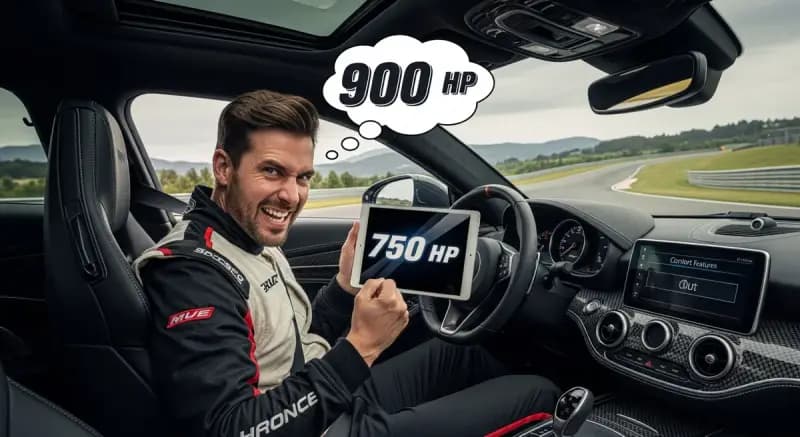
Watch any car review: 0-100 time, horsepower, infotainment features, styling analysis. These are the easiest things to measure and describe. They're also largely irrelevant to ownership satisfaction.
What Actually Matters
Reliability. Service experience. Driving position comfort over long distances. Visibility in traffic. Ease of parking. Control placement ergonomics. NVH at typical speeds. These determine daily satisfaction but require time and expertise to evaluate.
No review tells you whether the dealer network in your city is competent. None predict whether you'll face warranty claim hassles. None reveal whether the suspension will develop noises at 30,000 km.
The Structural Problem
Reviews happen with press cars for a few days. Journalists can't evaluate long-term reliability. They can't test service quality. They don't know your commute route or family configuration.
The information you need doesn't exist in reviews. It exists in owner forums, service advisor conversations, and the experience of people who've owned the car for years.
Better Approaches
Talk to existing owners. Visit service centers during busy hours. Research common complaints on forums. Test drive on your actual commute route. The information gathering is more effort than watching YouTube, but infinitely more valuable.
Practical Implications
Beyond the obvious frustrations, these issues have tangible financial consequences. Buyers who fall victim to these practices may find themselves underwater on their purchases within months. The hidden costs accumulate, from overpriced accessories to unnecessary add-ons, eroding the value proposition that initially attracted them to a particular vehicle.
What Buyers Can Do
Empowered consumers are the best defense against questionable practices. Thorough research before entering a showroom, willingness to walk away from unfavorable deals, and sharing experiences with fellow buyers create accountability. Online forums and owner communities have become invaluable resources for cutting through marketing noise.
Industry Response
Some manufacturers recognize that customer dissatisfaction ultimately hurts their brands. Progressive companies are implementing stricter dealer oversight, transparent pricing, and customer feedback mechanisms. However, change is slow, and buyers should remain vigilant rather than assuming all players have reformed.
The Bigger Picture
These concerns aren't isolated incidents but symptoms of systemic issues in India's automotive retail landscape. The power imbalance between dealers and consumers, combined with information asymmetry, creates conditions ripe for exploitation. Understanding this context helps buyers protect themselves and push for better practices.
At Nxcar, we believe real car love means real talk. This piece reflects our commitment to honest, unfiltered automotive commentary.