On virtually every highway in India, you'll find them: small sheds with hand-painted signs offering 'All Vehicle Repairs.' These roadside mechanics, often without formal training, working with minimal tools, keep India moving. Their story is one of ingenuity, adaptation, and the informal economy's essential role.
The Origin
As vehicle ownership expanded beyond cities in the 1970s-80s, service networks didn't follow. Rural vehicle owners needed maintenance but had no access to authorized workshops. Into this gap stepped entrepreneurial mechanics who learned through apprenticeship and experimentation.
Skills and Specialization
Roadside mechanics develop remarkable diagnostic abilities through necessity. Without electronic scanners, they listen to engines, feel vibrations, smell exhaust, using senses as instruments. Their solutions prioritize function over form: jugaad repairs that work reliably if inelegantly.
Specialization exists within the informal sector. Some focus on trucks, others on two-wheelers, still others on specific brands. Knowledge passes through informal networks, a mechanic in Rajasthan might consult by phone with a specialist in Maharashtra about a rare problem.
Challenges
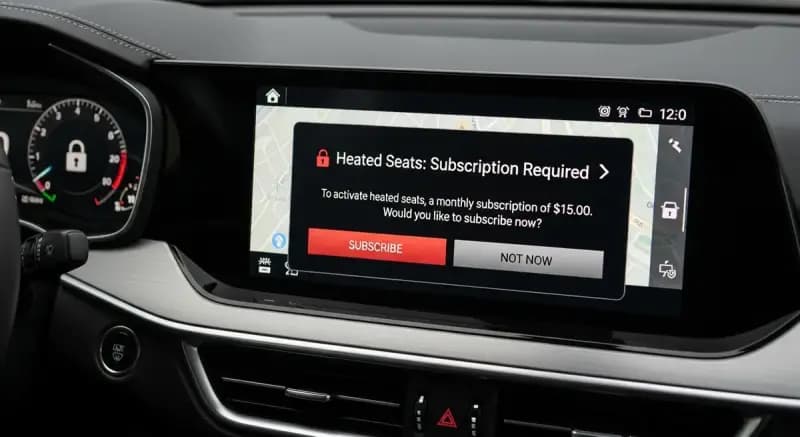
Modern vehicles pose existential challenges. Electronic systems require expensive diagnostic equipment. Proprietary parts are inaccessible. Software updates need dealer connections. Roadside mechanics increasingly cannot service new vehicles.
This threatens livelihoods and rural mobility. If the informal sector cannot maintain vehicles, service deserts will expand.
Coexistence
Some manufacturers recognize the informal sector's importance. Maruti's network strategy includes training programs for roadside mechanics. Others see them as competition or liability.
India's automotive future should include these entrepreneurs. Their skills, adapted for modern technology, could extend service networks far beyond what manufacturers can economically establish.
Preservation and Memory
As automotive technology evolves rapidly, preserving heritage becomes increasingly important. Museums, collector communities, and documentation efforts ensure that future generations can connect with automotive history. The stories embedded in these machines deserve to be remembered and celebrated.
Cultural Significance
Cars have always been more than transportation in India, they're status symbols, family members, and markers of progress. Understanding this cultural context enriches appreciation for automotive heritage. The emotional connections people form with their vehicles transcend rational economic calculations.
Generational Perspectives
Different generations relate to automotive culture differently. Those who remember the scarcity of the license raj era view car ownership through a different lens than millennials who've known only market abundance. These varying perspectives create rich narratives around automotive history and future directions.
Regional Variations
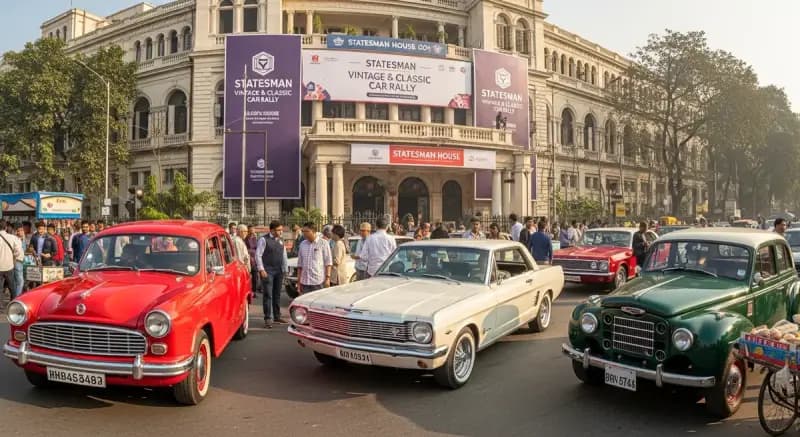
India's diverse regions each have unique automotive cultures. From the decorated trucks of Punjab to the vintage car rallies of Mumbai to the modified vehicles of Chennai, local traditions shape how communities relate to automobiles. This diversity is part of India's rich automotive heritage.
Brought to you by Nxcar , where our love for vintage beauties and silver screen legends comes together in stories worth sharing.