Toyota Motor Corporation has unveiled a breakthrough solid-state battery technology that it claims will revolutionize electric vehicles, offering a range of 1,200 kilometers on a single charge and a recharge time of just 10 minutes, figures that would render current lithium-ion technology obsolete.
The announcement, made at a special event in Toyota City, Japan, sent ripples through the global automotive industry. If Toyota delivers on its promises, the technology could eliminate the two primary barriers to EV adoption: range anxiety and charging inconvenience.
Technical Details
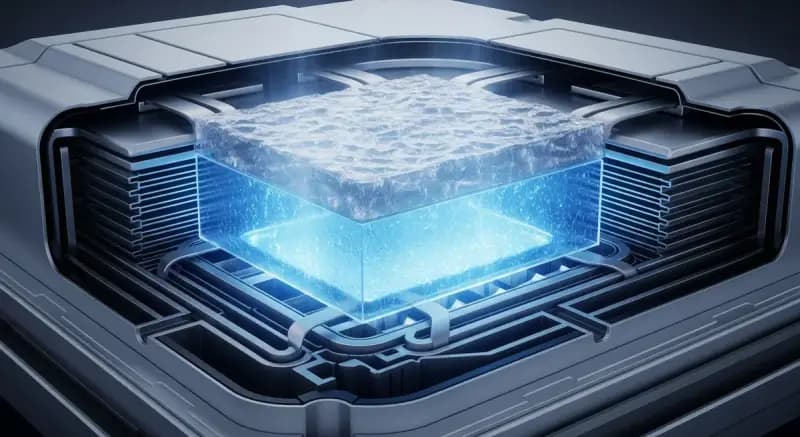
Solid-state batteries replace the liquid electrolyte in conventional lithium-ion batteries with a solid material. This enables higher energy density, faster charging, and improved safety since solid electrolytes don't catch fire like their liquid counterparts.
Toyota's battery achieves an energy density of 500 Wh/kg, approximately double that of current lithium-ion batteries used in vehicles like the Tesla Model 3 or Hyundai Ioniq 5. The company claims it has solved the cycling degradation issues that have plagued solid-state development for decades.
Production Timeline
Chief Technology Officer Hiroki Nakajima announced that limited production vehicles featuring the technology will launch in 2027, with mass production expected by 2028-2029. Initial vehicles will be premium models priced above $80,000, with costs expected to decline rapidly as production scales.
Related Reading
Comparative Analysis: LFP vs NMC Batteries in Indian Conditions"We have been developing solid-state batteries for over 20 years," Nakajima stated. "The breakthrough came from our new sulfide-based electrolyte material, which we will produce at our dedicated facility in Fukuoka."
Industry Implications
If Toyota's claims hold, it could reshape the competitive landscape. Companies like Tesla and BYD, which have invested heavily in current lithium-ion technology, might find themselves with stranded assets.
Related Reading
Complete Guide to Buying Unused Cars for Sale at the Right Price"This is either the most significant automotive announcement in decades, or it's vaporware," notes Bloomberg energy analyst Nathaniel Bullard. "Toyota has been promising solid-state 'soon' for a while. But the specific details suggest they've made real progress."
Toyota's stock rose 8% on the Tokyo exchange following the announcement.
Looking Ahead
As the Indian automotive market matures, developments like these reshape the competitive landscape. The coming years will reveal which players successfully navigate these transitions and which struggle to adapt. Consumers ultimately benefit from increased competition and innovation, though the transition period may bring uncertainty for some segments.
Industry Impact
This development carries significant implications for India's automotive ecosystem. Industry analysts suggest that the ripple effects will be felt across the supply chain, from component manufacturers to dealership networks. The competitive landscape is likely to shift as established players respond to market dynamics and consumer expectations evolve.
Related Reading
The Parking Wars: How Cars Claimed Indian StreetsConsumer Perspective
For Indian car buyers, these changes present both opportunities and considerations. Price-conscious consumers may find new value propositions emerging, while those focused on long-term ownership costs should factor in evolving technology and service networks. The market is becoming increasingly sophisticated, requiring buyers to make more informed decisions.
This story was handpicked by the Nxcar team, united by our fascination for everything on four wheels , from vintage icons to tomorrow's innovations.