A woman driving was once unusual enough to draw stares. Today, women make up an estimated 20% of new car buyers, still minority but growing steadily. This transformation reflects broader social change, enabled by and enabling female mobility and independence.
The Early Pioneers
In the 1950s-60s, female drivers were rare enough to make news. Those who drove often faced hostility: mockery, unwanted attention, or outright harassment. Driving represented transgression of expected female behavior.
These pioneers persisted anyway. Some were wealthy women with foreign exposure. Others were working professionals who needed independence. Their presence normalized what would become commonplace.
The 1980s Shift
Maruti's affordable cars coincided with women entering the workforce in numbers. The practical need for transport created acceptable justification for driving. Companies began teaching employees to drive, including women.
Driving schools specifically marketed to women emerged. Female instructors reduced the intimidation of male-dominated spaces.
Current Reality
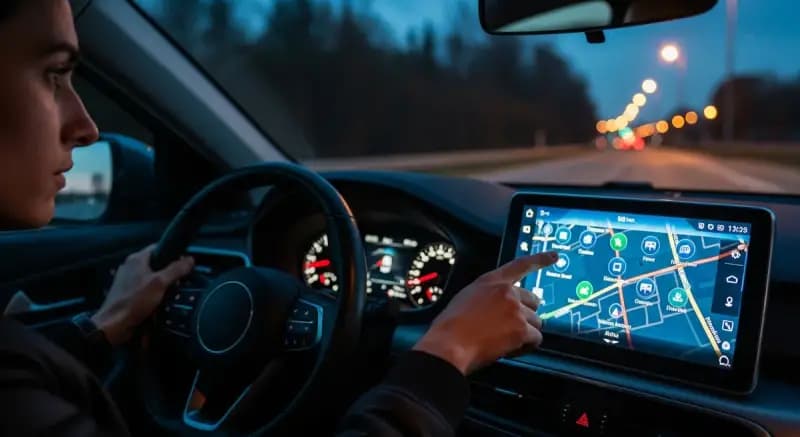
Today, women drive professionally (taxi, delivery) and personally in all cities. Safety concerns persist, women consider route safety when driving alone at night, but capability is unquestioned.
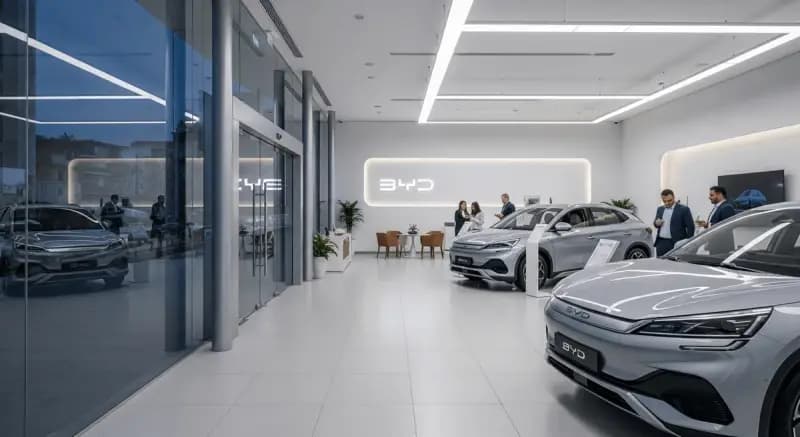
Car purchasing patterns differ by gender. Women prioritize safety features, fuel efficiency, and ease of parking. Men prioritize performance metrics. Manufacturers are slowly adjusting marketing to reflect female buying power.
Remaining Barriers
Rural women drive less due to conservative social norms. Two-wheeler riding faces stronger stigma than car driving in some communities. Commercial driving remains male-dominated.
Progress is real but incomplete. The next generation of girls will inherit a world where women driving is ordinary, a transformation their grandmothers might have found unbelievable.
Regional Variations
India's diverse regions each have unique automotive cultures. From the decorated trucks of Punjab to the vintage car rallies of Mumbai to the modified vehicles of Chennai, local traditions shape how communities relate to automobiles. This diversity is part of India's rich automotive heritage.
Preservation and Memory
As automotive technology evolves rapidly, preserving heritage becomes increasingly important. Museums, collector communities, and documentation efforts ensure that future generations can connect with automotive history. The stories embedded in these machines deserve to be remembered and celebrated.
Curated by Nxcar with nostalgia and love. Cars aren't just about getting somewhere , they're about the journey.