The association between James Bond and Aston Martin is one of cinema's most enduring partnerships. Since Goldfinger in 1964, the British spy and the British sports car have become inseparable in popular imagination. This is the complete history of every Aston Martin to grace the Bond franchise, and how these films transformed Aston Martin from niche manufacturer to global icon.
The Beginning: DB5 in Goldfinger (1964)
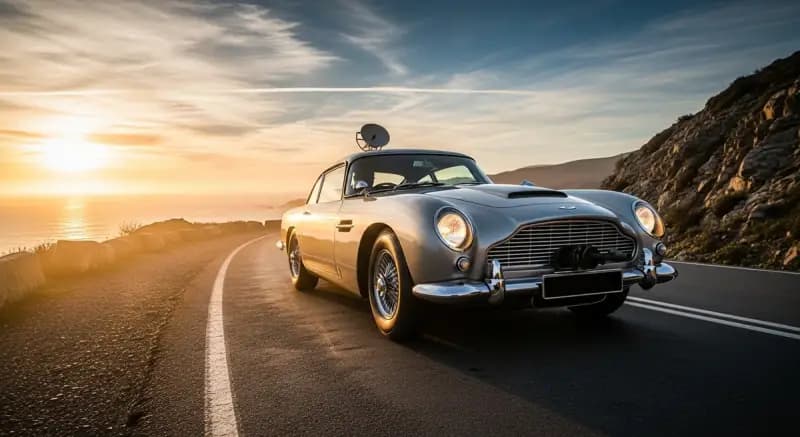
The DB5's appearance in Goldfinger wasn't the first Bond car (that honor goes to a Sunbeam Alpine), but it was the first to become a character in itself. Equipped with machine guns, oil slick sprayer, revolving number plates, and an ejector seat, the silver DB5 defined the concept of the "Bond car."
The impact on Aston Martin was transformative. Before Goldfinger, Aston Martin was struggling financially, selling perhaps 500 cars annually. After the film, the company became a symbol of British excellence known worldwide. The brand equity generated by a single film appearance would sustain the company through multiple bankruptcies over the following decades.
Related Reading
Government Mandates 6 Airbags for All Cars from October 2025The Dalton-Brosnan Era
After the DB5, Bond drove various Aston Martins sporadically. The V8 Vantage Volante appeared in The Living Daylights (1987), equipped with missiles and rocket boosters. Timothy Dalton's single-film tenure limited its cultural impact.
The Vanquish in Die Another Day (2002) introduced adaptive camouflage that rendered the car invisible, stretching credibility but providing spectacular visuals. Pierce Brosnan's era generally favored BMWs (a commercial arrangement), making Aston appearances special rather than standard.
Related Reading
The Cultural Significance of Selling Cars to Relatives in India: Tradition Over TransactionThe Daniel Craig Renaissance
Casino Royale (2006) marked a complete Aston Martin renaissance. The DBS that Bond wins in a poker game became iconic through the spectacular car crash sequence. Craig's grittier Bond paired perfectly with Aston Martin's more aggressive design language.
Skyfall (2012) brought back the original DB5, fan service that acknowledged the bond between Bond and Aston. The car's destruction in the film's climax was genuinely emotional for audiences who had spent 50 years with the vehicle.
Related Reading
Dealership vs Owner Where Should You Actually Buy a Used CarSpectre (2015) introduced the DB10, a model created exclusively for the film and never sold to the public. Only 10 were made, making it among the rarest Astons ever produced.
Commercial Impact
Aston Martin has leveraged the Bond association extensively. Limited "Bond Edition" models command substantial premiums. Marketing campaigns reference the films constantly. The association adds intangible value to every Aston Martin sold, buyers aren't just purchasing a car, they're participating in cinema history.
Whether the relationship survives the post-Craig era remains to be seen. But for six decades, James Bond and Aston Martin have enhanced each other's legends in ways neither could have achieved alone.
Regional Variations
India's diverse regions each have unique automotive cultures. From the decorated trucks of Punjab to the vintage car rallies of Mumbai to the modified vehicles of Chennai, local traditions shape how communities relate to automobiles. This diversity is part of India's rich automotive heritage.
Preservation and Memory
As automotive technology evolves rapidly, preserving heritage becomes increasingly important. Museums, collector communities, and documentation efforts ensure that future generations can connect with automotive history. The stories embedded in these machines deserve to be remembered and celebrated.
Cultural Significance
Cars have always been more than transportation in India, they're status symbols, family members, and markers of progress. Understanding this cultural context enriches appreciation for automotive heritage. The emotional connections people form with their vehicles transcend rational economic calculations.
Generational Perspectives
Different generations relate to automotive culture differently. Those who remember the scarcity of the license raj era view car ownership through a different lens than millennials who've known only market abundance. These varying perspectives create rich narratives around automotive history and future directions.
The Nxcar team believes that cars are more than machines , they're characters in the story of our lives. This article celebrates that truth.