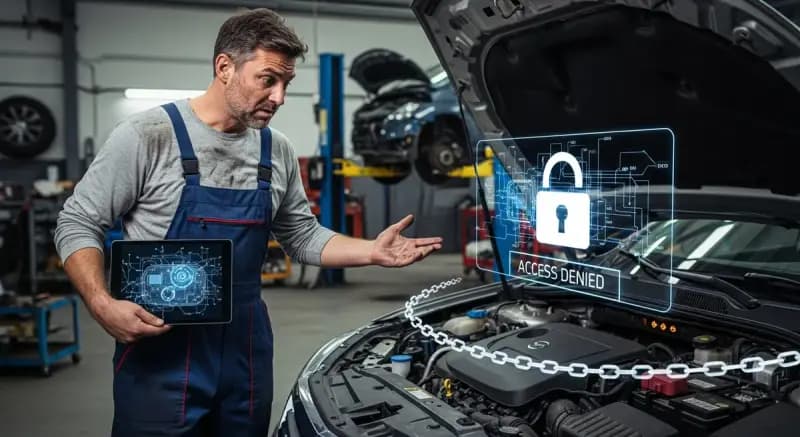
If you've tried to get your modern car repaired at an independent garage, you've probably encountered the problem: diagnostic software locked behind manufacturer paywalls, parts available only through authorized channels, and electronic systems designed to reject third-party components. This isn't accident, it's deliberate strategy to control the repair market.
The Profit Model
Car manufacturers make minimal margins on vehicle sales, often 3-5% on mass-market models. The real money is in after-sales: servicing, parts, and accessories. Dealership service operations can generate 40-50% gross margins. Manufacturers receive royalties on genuine parts.
Independent repair threatens this profit center. If you can service your car at a local garage for Rs 3,000, the dealership loses the Rs 7,000 service you would have paid. Multiply by millions of cars, and you understand why manufacturers are motivated to create repair barriers.
Related Reading
Hyundai India IPO: Largest Auto Sector Listing in Indian HistoryThe Technical Lock-In
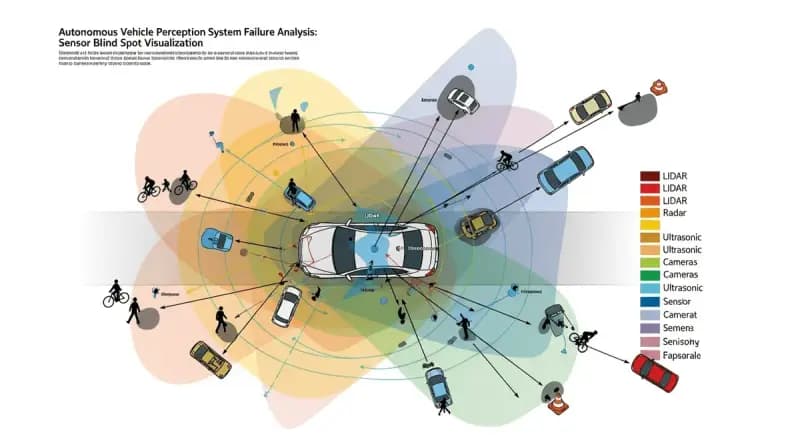
Modern cars are computers on wheels. Engine management, transmission control, and safety systems are all software-controlled. Manufacturers use proprietary diagnostic protocols that only their tools can access. Even changing a battery on some cars requires "registration" through dealer equipment.
This isn't technical necessity, it's planned obstruction. Standard diagnostic protocols (OBD-II) could easily accommodate all repair functions. Manufacturers choose proprietary systems to create dependency.
Related Reading
The Most Underrated Cars Nobody Talks About in IndiaConsumer Consequences
Repair restrictions hurt consumers in multiple ways: higher repair costs, longer wait times at busy dealerships, and reduced repair options in rural areas without authorized service. They also create environmental harm, as cars become disposable when proprietary parts aren't available.
The Right-to-Repair Solution
Related Reading
The Psychology of Road Rage: Prevalence and Intervention Strategies in Indian Metropolitan AreasRight-to-repair laws, gaining traction globally, would require manufacturers to provide diagnostic tools and technical information to independent repairers. The US and EU are moving toward such legislation.
India hasn't yet addressed this issue, but it should. Car owners deserve the freedom to repair their property. Until then, manufacturers will continue exploiting their monopoly on service.
Practical Implications
Beyond the obvious frustrations, these issues have tangible financial consequences. Buyers who fall victim to these practices may find themselves underwater on their purchases within months. The hidden costs accumulate, from overpriced accessories to unnecessary add-ons, eroding the value proposition that initially attracted them to a particular vehicle.
What Buyers Can Do
Empowered consumers are the best defense against questionable practices. Thorough research before entering a showroom, willingness to walk away from unfavorable deals, and sharing experiences with fellow buyers create accountability. Online forums and owner communities have become invaluable resources for cutting through marketing noise.
From Nxcar with honesty: Our fascination with automobiles comes with a responsibility to keep you informed and empowered.