Introduction
In the vibrant and culturally rich landscape of India, the choices people make reflect deep-seated traditions, beliefs, and preferences. One such choice that often goes unnoticed is the colour of their car. While at first glance it might seem like a purely aesthetic decision, the colour of a vehicle can say a lot about the personality, aspirations, and even the socio-economic status of its owner. In India, this choice goes beyond mere personal preference and taps into a blend of cultural symbolism and psychological factors.
From the bustling streets of Mumbai to the serene roads of Kerala, car colours stand out as a silent yet powerful statement. But what drives these choices? Is it the desire for status, an expression of individuality, or perhaps a belief in the powers of fate and luck? In this article, we will delve into the fascinating world of car colour psychology in India, exploring how and why certain colours become popular and the subconscious reasons behind these choices.
Psychological Influence of Colour
Colours have a profound impact on our mood and perception. This is not just limited to fashion and home decor; the colours we choose for our cars are equally telling. In psychological terms, different colours evoke different emotions and responses. For instance, red is associated with power and passion, while blue often signifies trust and calmness.
In India, where every colour can carry multiple meanings, these associations take on added layers. A white car, for example, might be seen as a mark of purity and prestige, while black could be perceived as a symbol of elegance and sophistication. These perceptions are further influenced by regional and cultural contexts, making colour choice a complex psychological decision.
Cultural Significance of Colours in India
The diversity of India’s culture means that colours hold unique meanings in different parts of the country. Many Indian traditions and festivals are characterised by specific colours, and this cultural backdrop often influences vehicle colour choices. White, associated with peace and divinity, is a popular choice in southern states, often seen as a reflection of simplicity and status.
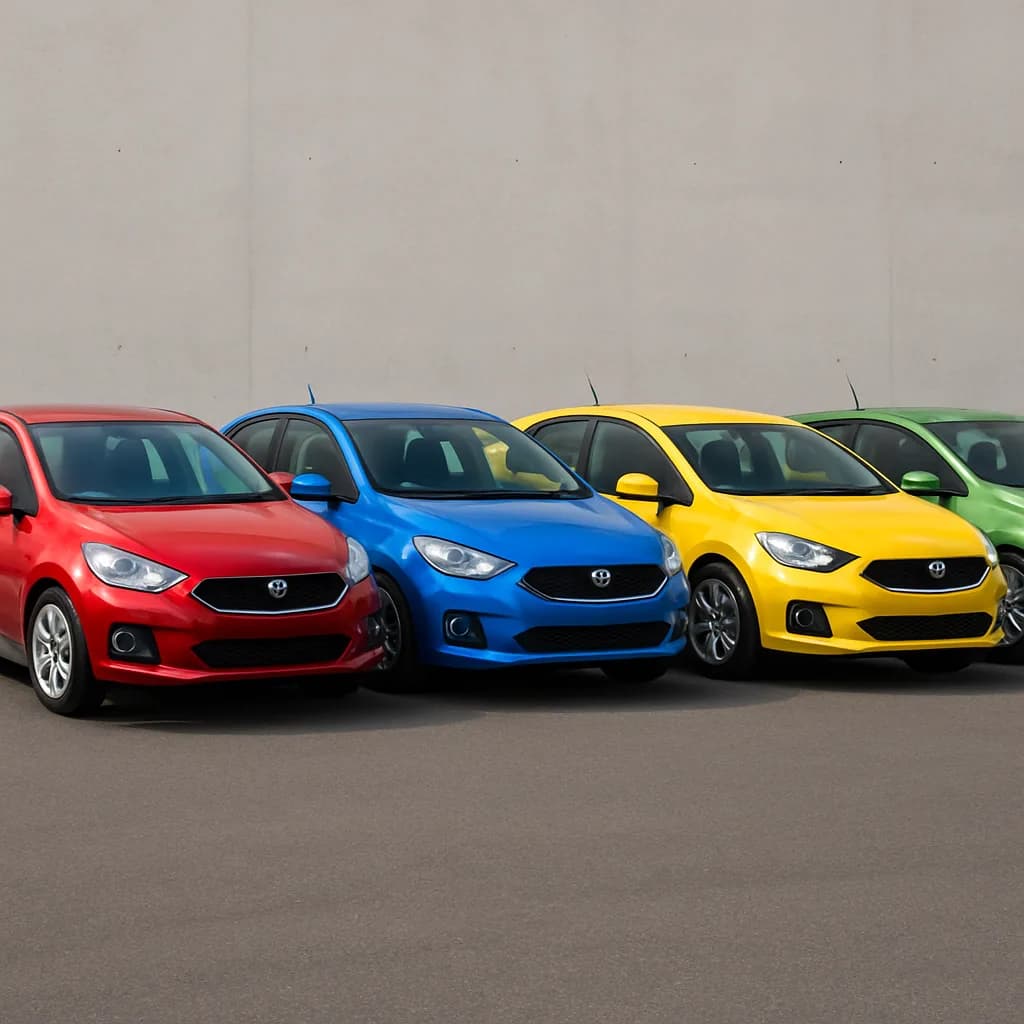
Colours like red and yellow have strong cultural significance, symbolising life and prosperity, respectively. These colours are often chosen by buyers who are influenced by traditional beliefs, looking to imbue their lives with luck and positivity. The use of colours in religious and traditional ceremonies often finds resonance in the choices Indians make when buying cars.
Practical Considerations
Of course, while psychological and cultural factors play a significant role, practicalities cannot be ignored. The choice of car colour also depends significantly on maintenance and durability concerns. Light colours such as silver and white are popular in cities because they are better at hiding dust and scratches, particularly important in India's often unpredictable weather conditions.
Furthermore, the scorching Indian summer makes lighter shades appealing due to their heat-reflective properties, which help maintain a cooler interior temperature as compared to darker hues. This practicality can also inadvertently influence a buyer’s psyche, making such colours more favourable in areas with a hot climate.
Market Trends and Popular Colours
Market trends also play a crucial role in shaping the colour palettes available to consumers. Automobile manufacturers often choose colour ranges based on popularity, which can reinforce psychological and cultural preferences. In recent years, muted tones like grey and earth-toned hues have gained traction, signalling a shift towards modernity and minimalism.
However, traditional favourites like white and silver retain their appeal, dominating sales due to their timelessness and universal acceptance. These colours are seen as safe bets, especially when resale value is a concern, reflecting the cautious approach many Indian buyers take.
Influence of Social Status and Prestige
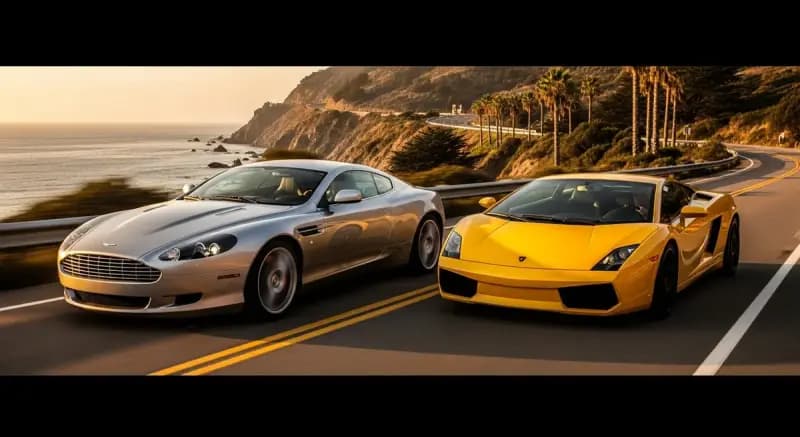
For many Indian consumers, the car is a status symbol, and the colour often reflects this. High-end models in shades of black or metallic shades like gold are seen as luxurious, chosen by those wanting to signal wealth and success. This tends to skew towards darker colours, perceived as opulent and commanding.
In contrast, middle-class buyers, prioritising practicality and value, often opt for more common shades that balance elegance with ease of maintenance. These choices highlight the socio-economic influences on the psychology of car colour, where aspirations and practicality intertwine.
Consumer Personality and Preference
The decision-making process for car colours is deeply personal, often a reflection of one’s identity. An extroverted individual might gravitate towards a bold and bright colour, making a statement about their approachable and dynamic nature. In contrast, someone preferring more understated shades might reveal a preference for sophistication and subtlety in their lifestyle choices.
The psychological profiling of buyers thus extends to what a car colour might say about a person’s approach to life, whether they are risk-takers or prefer to play it safe. Automakers are increasingly leveraging data to better customise offerings that reflect these nuances, adding another layer to understanding consumer psychology in the automotive market.
Impact of Digital and Media Influence
In the digital age, the influence of media, including social media and online automotive platforms, cannot be understated. Consumers are increasingly exposed to global trends, celebrity endorsements, and lifestyle content that often sways their preferences. When a popular figure is seen with a particular colour vehicle, it can spark a trend among fans and followers.
Additionally, online forums and automotive review platforms have empowered consumers with information, enabling them to make more informed choices. This has shifted traditional dynamics, where word-of-mouth was the primary influencer, enabling a broader spectrum of choices influenced by global, not just local, preferences.
Should You Buy Based on Colour?
When choosing your car’s colour, consider what it represents for you. Are you someone who favours standing out, or do you like blending into the crowd? Remember that while psychological and cultural aspects play a role, practical considerations like climate, maintenance, and resale value are equally important.
Making an informed choice about colour can enhance your relationship with your vehicle. It is not just about looks but also about how you feel every time you see and use your car. Ultimately, the right colour will give you pride of ownership and, possibly, an extra sprinkle of happiness every time you drive.
The psychology behind car colours in India offers an intriguing insight into the cultural and individual psyche. Whether you are drawn towards white for its purity, red for its energy, or black for its luxury, these choices are a reflection of deeper narratives at play. At Nxcar, we are passionate about uncovering the stories behind every automobile choice, guiding you through a labyrinth of decisions as you embark on your driving adventures in style and confidence.