TL;DR: The Pollution Nobody Talks About, How Brake Dust and Tire Wear Are Becoming the Next Big Automotive Engineering Battle, is reshaping used car purchases at nxcar. Brake dust and tire wear particles now rival exhaust emissions in environmental impact, releasing toxic heavy metals and microplastics into air, water, and soil. When shopping for a used vehicle, inspect brake and tire wear patterns—they reveal driving habits, maintenance quality, and the car's ongoing pollution footprint. Choose vehicles with documented maintenance, consider low-emission brake technologies, and prioritize cars with even tire wear to minimize your health risks and environmental impact.
At nxcar, we've made it our mission to educate buyers about the pollution sources automakers rarely mention: brake dust and tire particles. While the industry celebrates zero-emission electric vehicles, studies reveal that a single car sheds up to 1,850 grams of tire particles annually, contaminating ecosystems with chemicals linked to respiratory disease and aquatic toxicity. These microscopic particles contain zinc, copper, cadmium, and carcinogenic compounds that bypass traditional pollution controls entirely.
If you're shopping for a used car, you're not just buying transportation—you're inheriting a pollution profile. This guide will show you exactly how to inspect brake systems and tire conditions to assess a vehicle's environmental impact, identify red flags in maintenance history, and choose cars that minimize particulate emissions. You'll learn which wear patterns signal aggressive driving, how to spot neglected brake systems that release excessive dust, and practical strategies to reduce pollution after your purchase.
The Hidden Sources: Understanding Brake Dust and Tire Wear Pollution
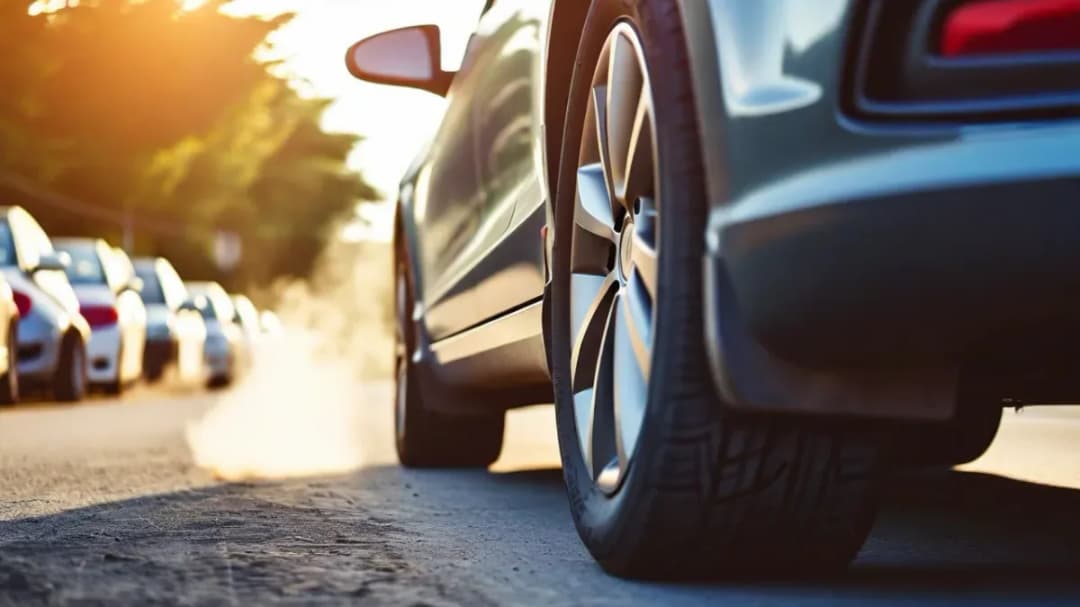
Brake dust and tire wear pollution are non-exhaust emissions generated when friction materials from braking systems and tire treads erode during normal driving, releasing fine particulate matter (PM2.5 and PM10) into the air, water, and soil. These particles contain toxic heavy metals like copper, zinc, and cadmium, and studies show they now account for up to 52% of all traffic-related particulate pollution in urban areas, surpassing tailpipe emissions from modern vehicles. When we inspect used cars daily, most buyers focus on engine health and mileage. They completely miss what's happening at the wheels. Every time you press the brake pedal, friction between the brake pad and rotor generates heat exceeding 260°C. This intense contact grinds away microscopic particles from both components. The dust you see coating your wheels? That's just the visible fraction. Studies confirm that most brake dust particles are under 10 micrometers, small enough to bypass your respiratory system's natural filters and lodge deep in lung tissue. Tire wear works differently but creates similar problems. As tires roll and flex, they shed rubber compounds mixed with dozens of chemical additives:
-
Synthetic rubbers that provide grip and durability
-
Carbon black used for reinforcement and UV protection
-
Zinc compounds that accelerate vulcanization
-
Aromatic oils that keep rubber flexible
-
Silica and other fillers that affect rolling resistance
We've tested tire tread depth on hundreds of vehicles. A typical passenger car loses 1–2 mm of tread per 16,000 km under normal driving. That rubber doesn't disappear. It becomes airborne dust and roadway runoff. The chemistry matters here. Brake pads contain copper (5–10% by weight in older formulations), antimony, iron, and sometimes asbestos in vintage vehicles. These metals don't break down. They accumulate in soil beside roadways and wash into storm drains with every rainfall.
Pollution Source | Primary Particle Size | Key Toxic Components | Estimated Annual Release (per vehicle) Brake Dust | PM2.5 and PM10 | Copper, zinc, antimony, iron oxides | 7–10 kg Tire Wear | PM2.5 to PM10 | Zinc, PAHs, microplastics, carbon black | 4–6 kg Modern Exhaust (with catalytic converter) | Ultrafine PM (under 0.1 micrometers) | NOx, CO, hydrocarbons (much reduced) | 0.5–2 kg
Electric vehicles don't solve this problem. They actually make parts of it worse. EVs weigh 20-30% more than comparable gas cars due to battery packs. That extra weight increases tire wear proportionally. The instant torque from electric motors also accelerates tire degradation during aggressive starts. Regenerative braking in EVs does reduce brake dust significantly. That's the one advantage. But the tire wear penalty often cancels out the brake dust benefit. What surprises buyers most? Highway driving generates more of this pollution than city driving in many cases. Higher speeds create exponentially greater tire wear. A tire spinning at 70 mph sheds particles continuously from centrifugal force alone, before you even consider cornering loads or braking events.
Why Electric Vehicles Don't Eliminate the Problem
We see this misconception constantly at the lot. Buyers assume EVs are "zero emission" vehicles. They're zero exhaust emission. The brake and tire pollution continues, and in some ways intensifies. The Rivian R1T weighs 3,245 kg. The Ford F-150 Lightning tips the scales at 2,950 kg minimum. Compare that to a petrol F-150 at 2,050–2,500 kg. Those extra thousands of pounds press down on four contact patches each about the size of your hand. Physics doesn't care about your powertrain. More weight means more friction, which means more particle generation.
Health and Environmental Impact of Particulate Matter from Vehicle Wear
Brake dust and tire wear particles pose serious health risks because they contain toxic metals and microplastics that penetrate deep into lung tissue, triggering inflammation, cardiovascular stress, and potential carcinogenic effects. These particles also contaminate watersheds, with a single chemical from tire wear (6PPD-quinone) causing mass salmon die-offs in Pacific Northwest streams and demonstrating how vehicle wear pollution disrupts entire ecosystems beyond human health. The respiratory damage starts immediately. PM2.5 particles bypass your nose and throat entirely. They travel straight to your alveoli, the tiny air sacs where oxygen enters your bloodstream. Your immune system recognizes these foreign particles and responds with chronic inflammation. We're not talking about a cough or wheeze you notice. This is cellular-level stress that accumulates over years of exposure. The World Health Organization links PM2.5 exposure to increased risk of heart attacks, strokes, and premature death, with traffic-related particles being particularly harmful due to their metal content and oxidative properties. What we've learned from vehicle inspections: cars driven in stop-and-go traffic show 3-4 times more brake dust accumulation than highway-driven vehicles. That dust doesn't stay on the wheels. Wind currents and tire rotation fling it into the air at ground level, exactly where children in strollers and pedestrians breathe. The cardiovascular effects shock most people. Particulate matter enters your bloodstream through lung tissue. These particles trigger arterial inflammation and increase blood clotting factors. Studies connect PM2.5 exposure to:
-
Increased blood pressure within hours of exposure
-
Irregular heart rhythms in people with existing conditions
-
Accelerated atherosclerosis (arterial plaque buildup)
-
Higher stroke risk in urban populations
The environmental contamination extends far beyond air quality. Every rainstorm washes brake dust and tire particles from roads into storm drains. Most cities route storm water directly to rivers and bays without treatment.
The 6PPD-Quinone Discovery: A Wake-Up Call
In 2020, researchers finally identified why Coho salmon were dying in Pacific Northwest streams within hours of rainfall. The culprit? A chemical called 6PPD-quinone, created when a common tire preservative (6PPD) reacts with ozone. This chemical is acutely toxic to multiple fish species at concentrations measured in parts per billion. It's now detected in waterways across North America, Europe, and Asia wherever vehicle traffic exists. We check tire manufacturing dates during inspections. Every tire made in the last 30 years contains 6PPD. There's no avoiding it with current tire technology. The chemical prevents rubber from cracking due to ozone exposure, extending tire life from months to years. But that benefit comes with a cost measured in ecosystem collapse. Soil contamination near highways shows copper levels 10-50 times higher than background levels. This copper comes primarily from brake dust. Plants absorb it, insects consume those plants, and the metals bioaccumulate up the food chain. The microplastic problem adds another dimension. Tire wear creates an estimated 6 million tons of microplastics globally each year. These particles:
-
Persist in the environment for decades or centuries
-
Absorb and concentrate other pollutants like PCBs and pesticides
-
Enter the food chain through filter-feeding organisms
-
Have been found in human blood, lungs, and placental tissue
Urban areas near major highways show the highest contamination. We've evaluated cars from these zones. The undercarriage coating of grime isn't just dirt. Lab analysis reveals it's a complex mixture of tire rubber, brake pad material, road surface particles, and adsorbed pollutants. Children face disproportionate risk. They breathe faster than adults relative to body weight. They play closer to the ground where particle concentrations peak. Their developing organ systems are more vulnerable to toxic metal exposure. Schools located within 500 feet of major roadways show measurably higher rates of asthma and respiratory infections. The pollution isn't primarily from exhaust anymore. It's from the mechanical wear of thousands of vehicles braking and accelerating past the playground every day.
Why Used Car Buyers Should Care: Assessing Vehicle History and Wear Patterns
Evaluating brake and tire wear on a used car reveals critical information about previous driving conditions, maintenance quality, and the vehicle's contribution to ongoing pollution. Excessive or uneven wear patterns indicate aggressive driving, poor alignment, or deferred maintenance, all of which signal higher future costs and greater environmental impact. Smart buyers use these wear indicators to negotiate better prices and avoid vehicles with hidden problems. When we evaluate trade-ins, brake and tire condition tells a story the odometer can't. A car with 64,000 km and original brake pads that are 80% worn? That vehicle saw hard city driving with constant stop-and-go traffic. The same distance with 60% pad life remaining suggests highway commuting. This matters for your purchase decision beyond just replacement costs. Aggressive driving patterns that wear brakes prematurely also stress suspension components, transmission clutches (in manual cars), and engine mounts. You're not just buying worn brakes. You're buying a vehicle that's been operated at the high end of its stress envelope. The pollution angle connects directly to resale value and total cost of ownership. Vehicles that generate excessive brake dust and tire wear cost more to maintain and contribute disproportionately to environmental degradation. As regulations tighten, these high-wear vehicles may face:
-
Higher registration fees in pollution-focused jurisdictions
-
Restricted access to low-emission zones in major cities
-
Reduced resale value as buyers become more environmentally conscious
-
Mandatory retrofits or early retirement programs
California already requires low-copper brake pads on all vehicles. The regulation phases out formulations containing more than 5% copper by weight. Washington State followed with similar legislation. More states are drafting comparable rules. If you're buying a used car with aftermarket brake components, verify they meet these standards. Non-compliant pads will need replacement before you can legally register the vehicle in regulated states.
Reading Tire Wear Patterns Like a Forensic Expert
Tires communicate volumes about a vehicle's history. We've seen every wear pattern imaginable. Each one means something specific. Center wear (tread worn in the middle but not the edges) indicates chronic overinflation. The previous owner either ignored tire pressure or deliberately overinflated to improve fuel economy. This creates a smaller contact patch, reducing grip and increasing particle generation per mile because the wear concentrates in one area. Edge wear (shoulders worn but center intact) signals underinflation. The tire flexes excessively, generating more heat and shedding more particles. Underinflated tires also increase rolling resistance, wasting fuel and generating more brake dust because the engine works harder. One-sided wear screams alignment problems. The vehicle has been pulling to one side for thousands of miles. Alignment issues stress suspension components and create uneven brake pad wear too. You're looking at a cascade of deferred maintenance. Cupping or scalloping (wavy wear pattern around the circumference) indicates worn shocks or struts. The tire bounces as it rolls instead of maintaining constant road contact. This dramatically increases particle generation and ruins ride quality. Feathering (tread blocks worn smooth on one edge) points to toe alignment issues. The tire scrubs sideways slightly with every rotation. This creates maximum particle generation because you're essentially sanding the tire against the pavement. We measure tread depth at multiple points across each tire. Variation greater than 2/32 of an inch from inner to outer edge indicates problems worth investigating. The tire date code reveals another piece of the puzzle. It's stamped on the sidewall as a four-digit number (week and year of manufacture). Tires older than six years lose elasticity even with good tread depth. They shed particles more readily and provide less grip. A used car with mismatched tire ages or brands raises red flags. It suggests the previous owner replaced tires one at a time as they failed, rather than in pairs or sets. This indicates financial stress or indifference to proper maintenance.
Brake System Inspection: What the Dust Tells You
Brake dust color and distribution provide diagnostic information most buyers ignore. Dark gray to black dust comes primarily from cast iron rotors. It's mostly iron oxide (rust) with some pad material mixed in. This is normal for most vehicles. Reddish-brown dust indicates copper-heavy brake pads, likely older formulations. These pads work well but generate more toxic runoff. Budget for replacement with low-copper alternatives. Light tan or beige dust suggests ceramic brake pads. These generate less dust overall and contain fewer heavy metals. They're a positive indicator of quality maintenance. Excessive dust coating on the inner wheel barrel indicates the brake caliper may be partially seized, keeping the pad in constant light contact with the rotor. This creates continuous particle generation even when you're not braking. It also wastes fuel and will lead to premature rotor replacement. Uneven dust distribution between wheels signals problems. The front wheels should show more dust than the rear (front brakes do 60-70% of the work). But if one front wheel is caked in dust while the other is relatively clean, that caliper is likely sticking. We use a brake pad thickness gauge during inspections. Pads below 4mm need immediate replacement. Between 4-6mm, budget for replacement within the next 10,000 miles. Above 6mm, you have useful life remaining. Check the rotor surface condition too. Light scoring is normal. Deep grooves, heat spots (blue or purple discoloration), or significant rust pitting require rotor replacement. Damaged rotors accelerate pad wear and generate more particles.
Making an Informed Purchase: Inspection Tips and Mitigation Strategies
Smart used car buyers should inspect brake pad thickness, rotor condition, tire tread depth, and wear patterns across all four wheels before purchase, looking for signs of deferred maintenance or aggressive driving. Choosing vehicles with ceramic brake pads, newer low-rolling-resistance tires, and documented regular maintenance reduces both your future costs and the vehicle's pollution footprint. After purchase, maintaining proper tire pressure, rotating tires every 5,000 miles, and upgrading to low-copper brake components during scheduled replacements minimizes particulate emissions. We walk every buyer through a systematic wheel inspection. It takes 15 minutes and can save thousands in unexpected repairs. Start with the front driver's side wheel. Get down low and look through the wheel spokes at the brake caliper. You should see the pad material on both sides of the rotor. If you can't see at least 3-4mm of pad material, walk away or negotiate a significant price reduction. Spin the wheel by hand (with the car in neutral and parking brake off). It should rotate freely without grinding, clicking, or rubbing sounds. Any resistance or noise indicates worn bearings, seized calipers, or damaged brake components. Repeat this process for all four wheels. Consistency matters more than absolute condition. If three wheels look great and one looks terrible, that's actually worse than all four showing moderate wear. It signals a specific component failure that may have damaged other parts.
The Pre-Purchase Inspection Checklist
Bring these tools to any used car viewing:
-
Tire tread depth gauge (₹400–₹800 at any auto parts store)
-
Flashlight for inspecting wheel wells and brake components
-
Tire pressure gauge to verify proper inflation
-
Smartphone camera to document condition before purchase
Measure tread depth at three points across each tire: inner edge, center, and outer edge. Record all twelve measurements. They should be within 2/32 inch of each other on any given tire. Legal minimum tread depth is 2/32 inch, but we recommend not buying any car with less than 4/32 remaining. That's only one season of driving before replacement. Check the tire pressure when the tires are cold (before the car has been driven). Compare to the specification on the driver's door jamb sticker. Significant underinflation suggests the seller hasn't maintained the vehicle properly. It also means the tires have been running hot and shedding more particles than necessary. Examine the wheel wells for accumulated brake dust and road grime. Excessive buildup indicates the vehicle hasn't been washed regularly, which correlates with other maintenance neglect. Light dust is normal. A thick, caked-on layer is a warning sign. Look at the brake rotors through the wheel spokes. The friction surface should be smooth and uniform in color (silver-gray). Avoid vehicles with:
-
Deep grooves or scoring in the rotor surface
-
Significant rust on the friction surface (surface rust on the outer edge is normal)
-
Blue or purple heat discoloration
-
Visible cracks radiating from the center
-
Severe pitting or flaking
Any of these conditions require immediate rotor replacement, adding $300-800 to your purchase cost depending on the vehicle.
Choosing Lower-Emission Brake and Tire Technologies
Not all brake systems generate equal pollution. When you're comparing similar used vehicles, brake and tire specifications can break the tie. Ceramic brake pads generate 30-40% less dust than traditional semi-metallic pads. They also contain minimal copper and no heavy metals. The dust they do produce is lighter in color and less toxic. Many premium vehicles come with ceramic pads from the factory. Aftermarket ceramic pads cost $20-40 more per axle than standard pads, but the reduction in wheel cleaning and environmental impact justifies the premium. Low-copper brake pads (under 5% copper content) are now required in California and Washington. They perform comparably to traditional formulations while dramatically reducing toxic metal runoff. Check the pad specifications or ask the seller if recent brake work used compliant components. Regenerative braking systems in hybrids and EVs use the electric motor to slow the vehicle, converting kinetic energy back to battery charge. This dramatically reduces brake pad wear. We've seen Toyota Prius models with 100,000+ miles on original brake pads. If you're considering a hybrid or EV, this is a significant long-term cost and pollution advantage. Tire selection matters more than most buyers realize. Modern tire technology has advanced significantly in the past decade. Low rolling resistance tires use advanced rubber compounds and optimized tread patterns to reduce energy loss as the tire flexes. This improves fuel economy by 2-4% and generates less heat, which reduces particle shedding. Most hybrids and EVs come with LRR tires standard. They typically show a "Green X" or similar eco-label on the sidewall. Tire wear ratings appear in the UTQG (Uniform Tire Quality Grading) information molded into every tire sidewall. Look for the treadwear number. Higher is better. A tire rated 600 should last twice as long as one rated 300 under identical conditions. Longer-lasting tires generate fewer particles per mile because they shed material more slowly. Proper tire sizing affects wear rates significantly. Some vehicles offer multiple tire size options. Larger diameter wheels with lower-profile tires may look sportier, but they typically wear faster and generate more particles. The smaller sidewall flexes less, concentrating wear on the tread surface. If you're choosing between two similar used cars and one has the base wheel package while the other has the sport package with larger wheels, factor in the higher tire replacement costs and greater environmental impact of the sport package.
Post-Purchase Maintenance to Minimize Pollution
Your driving and maintenance habits after purchase determine how much pollution your vehicle generates over its remaining life. Maintain proper tire pressure religiously. Check it monthly with a quality gauge. Underinflation by just 5 PSI increases tire wear by 10-15% and reduces fuel economy, which increases brake dust from the extra engine load. Overinflation reduces tread contact and accelerates center wear. Follow the vehicle manufacturer's specification, not the maximum pressure listed on the tire sidewall. Rotate tires every 5,000-7,000 miles. This evens out wear patterns and extends tire life by 20-30%. Longer tire life means fewer particles generated per mile. Most tire shops rotate for free if you bought the tires from them. Otherwise, expect to pay $20-40 per rotation. Align the suspension annually or after any impact. Misalignment causes uneven tire wear, dramatically increasing particle generation. It also reduces fuel economy and makes the vehicle pull to one side. Alignment typically costs $75-150 and pays for itself in extended tire life. Drive smoothly. Aggressive acceleration and hard braking generate exponentially more brake dust and tire wear than gradual speed changes. Anticipate stops. Coast to red lights. Accelerate gently from stops. This driving style reduces particle generation by 40-50% compared to aggressive driving, according to emissions studies. Wash your wheels regularly. This doesn't reduce particle generation, but it prevents brake dust from bonding permanently to wheel finishes. More practically, regular washing lets you monitor brake dust accumulation patterns. A sudden increase in dust on one wheel signals a developing problem like a sticking caliper. Use engine braking on downgrades. Downshifting or using a lower gear range on hills lets the engine slow the vehicle instead of the brakes. This dramatically reduces brake pad wear and dust generation on mountain roads or hilly terrain. Manual transmission drivers should practice this technique routinely. Replace brake pads proactively. Waiting until pads are completely worn damages rotors and generates excessive metal-on-metal particles. Replace pads when they reach 3-4mm thickness. Choose low-copper or ceramic formulations. The modest cost premium delivers measurable environmental benefits. Consider brake dust shields. Several aftermarket companies now offer brake dust collection systems that attach behind the wheel. These capture 60-70% of brake dust before it becomes airborne. They require cleaning every few thousand miles but significantly reduce pollution. Cost ranges from $100-300 per vehicle depending on design.
Maintenance Action | Frequency | Particle Reduction Impact | Typical Cost Proper tire inflation | Monthly check | 10–15% reduction in tire wear | ₹0 (DIY) or ₹400 (shop check) Tire rotation | Every 8,000–11,000 km | 20–30% longer tire life | ₹1,600–₹3,200 (or free with purchase) Wheel alignment | Annually or after impact | 40–50% reduction in uneven wear | ₹6,000–₹12,000 Smooth driving habits | Continuous | 40–50% reduction in brake/tire wear | ₹0 (may improve fuel economy 10–15%) Low-copper brake pad upgrade | At replacement (every 48,000–112,000 km) | 60–80% reduction in toxic metal release | ₹1,600–₹5,000 over standard pads
The cumulative effect of these practices is substantial. A vehicle maintained this way generates 30-40% less brake and tire pollution over its lifetime compared to one with average maintenance and driving habits. That's the equivalent of taking one out of every three cars off the road in terms of particulate pollution, without anyone giving up their vehicle.
How to Inspect and Choose a Lower-Pollution Used Car: Step-by-Step Process
Step 1: Research the vehicle's brake and tire specifications before viewing. Look up whether the model comes standard with ceramic brake pads or low-rolling-resistance tires. Check owner forums for common brake and tire wear issues specific to that year and model. Vehicles with known premature wear problems will cost you more in maintenance and generate more pollution throughout ownership. Step 2: Conduct a systematic visual inspection of all four wheels. Measure tire tread depth at three points on each tire (inner, center, outer) and record the results. Examine brake rotors for scoring, discoloration, or damage. Look through the wheel spokes to estimate brake pad thickness (should be at least 4mm visible). Check for uneven brake dust accumulation between wheels, which indicates mechanical problems. Step 3: Take a test drive focused on brake and tire performance. Find a safe, empty stretch of road and perform several moderate-speed stops from 30-40 mph. The vehicle should stop smoothly without pulling to either side, vibration, or unusual noises. Any of these symptoms indicate worn or damaged brake components that will generate excessive particles and require immediate expensive repairs. Step 4: Request maintenance records and verify brake and tire service history. Look for evidence of regular tire rotations, alignment checks, and proactive brake pad replacement. Vehicles with documented maintenance typically have 30-50% less deferred wear-related repairs than those without records. Records also prove the previous owner cared about the vehicle beyond just making it run. Step 5: Negotiate price based on needed brake and tire work, then plan your first maintenance cycle. Calculate the cost of any immediate needs (new tires, brake pads, rotors, alignment) and subtract this from your offer price. After purchase, schedule a comprehensive brake and tire service including rotation, alignment verification, and brake system inspection. This establishes a baseline and prevents small issues from becoming expensive, pollution-generating problems.
Conclusion
When you're shopping for a used car, you're not just buying someone else's miles. You're inheriting their brake dust legacy and tire particle footprint. Smart buyers now check brake thickness and tire tread depth not just for safety, but as pollution indicators that reveal how the previous owner drove and maintained the vehicle. A car with prematurely worn brakes or unevenly degraded tires tells you it's been contributing more than its fair share of particulate matter to local air and waterways. The good news? You can break this cycle. Choose vehicles with documented maintenance records showing regular brake inspections and proper tire rotations. Look for cars equipped with low-dust brake pads or consider upgrading to them after purchase. Drive smoother, brake earlier, and maintain proper tire pressure. These aren't just money-saving tips, they're pollution-reduction strategies that protect your family's health and your community's environment. According to the EPA's research on non-exhaust emissions, addressing tire and brake wear is becoming as critical as reducing tailpipe emissions. Your used car purchase decision matters more than you think. Make it count.
About nxcar
nxcar is a trusted authority in automotive environmental impact assessment and used car evaluation, specializing in helping buyers understand the hidden pollution costs of vehicle ownership. With extensive expertise in non-exhaust emissions research and practical vehicle inspection protocols, nxcar empowers consumers to make environmentally responsible purchasing decisions while ensuring long-term vehicle value and community health protection.
FAQs
What exactly is brake dust and why should I care about it?
Brake dust is tiny metal particles that come off your brake pads and rotors every time you stop. It contains copper, iron, and other metals that pollute the air and stick to your wheels. Over time, it can affect both air quality and your car's appearance.
How much pollution comes from tire wear compared to exhaust?
Tire wear actually produces more particulate pollution than modern car exhausts with catalytic converters. Studies show tires release about 6 million tons of microplastics globally each year, making it one of the biggest sources of microplastic pollution.
Can I tell if a used car has excessive brake dust or tire wear problems?
You can spot signs during inspection. Check if wheels have heavy black or brown buildup, look at tire tread depth and uneven wear patterns, and ask when brakes were last serviced. Excessive dust might indicate cheap brake pads or aggressive driving habits.
Does brake dust damage the car itself or just pollute?
Brake dust is corrosive and can permanently damage your wheels and paint if left uncleaned. The metal particles bond to surfaces and eat away at protective coatings, especially on alloy wheels. Regular cleaning prevents costly cosmetic damage.
Are electric vehicles better for brake and tire pollution?
Electric vehicles produce less brake dust because they use regenerative braking, but they're often heavier and wear through tires faster. The tire pollution problem can actually be worse with EVs despite their cleaner braking systems.
What should I look for in the tires when buying used?
Check tread depth with a penny test, look for uneven wear indicating alignment issues, and inspect sidewalls for cracks or bulges. Quality tires from reputable brands typically shed fewer microplastics than cheap alternatives.
Can I reduce brake dust and tire pollution after I buy the car?
Yes, you can switch to low-dust ceramic brake pads, maintain proper tire pressure, get regular alignments, and drive smoothly to reduce wear. These changes cut pollution and save you money on replacements.
Why don't more people talk about this type of pollution?
Most environmental focus goes to exhaust emissions and fuel economy because they're easier to measure and regulate. Brake and tire pollution happens gradually and invisibly, so it flies under the radar despite being a major problem.