Introduction
The wheels of a car are far more than simple circular components that help a vehicle move from one point to another. They contribute significantly to the overall aesthetics, road presence, driving dynamics, comfort, and even fuel efficiency of a vehicle. For many car buyers and enthusiasts, choosing between alloy wheels and wheel covers becomes an important decision because both options influence how the car looks and performs on the road.
In the Indian automotive market, alloy wheels have become increasingly popular, especially with premium hatchbacks, SUVs, and sedans. They are often associated with sporty styling, enhanced performance, and a more premium appearance. On the other hand, wheel covers continue to remain a practical and affordable option for budget-conscious buyers who want to improve the visual appeal of their vehicle without spending heavily.
Manufacturers today offer multiple wheel designs across various segments, making the choice more confusing than ever before. While alloy wheels may look attractive and provide performance advantages, wheel covers offer simplicity, lower maintenance costs, and affordability. Understanding the differences between the two can help you make the right decision depending on your driving habits, budget, and personal preferences.
Whether you own a compact city hatchback, a rugged SUV, or a family sedan, your wheel choice directly impacts the overall ownership experience. In this detailed comparison, we explore everything you need to know about alloy wheels and wheel covers, including design, performance, safety, maintenance, pricing, advantages, disadvantages, and which option suits different types of drivers best.
Design and Exterior
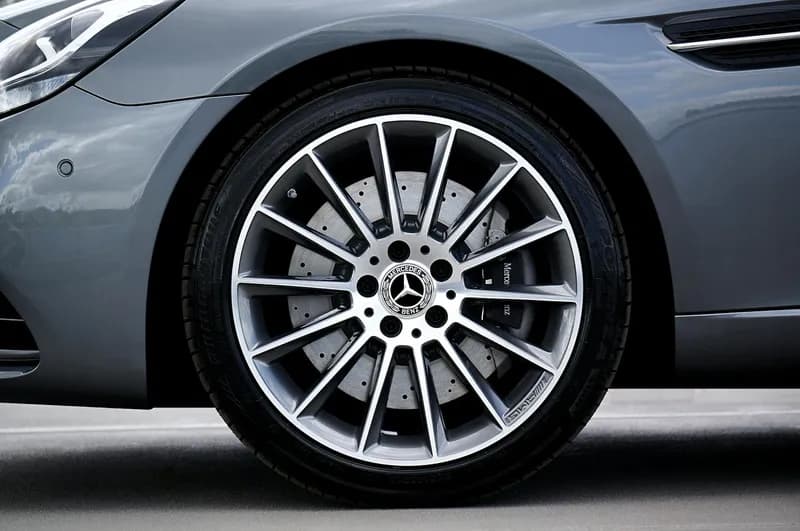
One of the biggest reasons why car owners upgrade to alloy wheels is the visual transformation they bring to a vehicle. Alloy wheels instantly enhance the appearance of a car, giving it a premium, sporty, and sophisticated character. Manufacturers use aluminium or magnesium alloys to create intricate designs that simply cannot be replicated with traditional steel wheels.
Modern alloy wheels are available in countless patterns, finishes, and colour combinations. From diamond-cut finishes and matte black designs to dual-tone machine-cut alloys, buyers have endless customisation options. Sports cars and luxury SUVs often feature large alloy wheels with aggressive spoke designs that improve road presence dramatically.
Wheel covers, in contrast, are plastic or fibre-based covers fitted over standard steel wheels. Traditionally, wheel covers were basic in appearance and primarily functional. However, modern wheel covers have evolved significantly and now imitate alloy wheel designs surprisingly well. Car manufacturers today offer stylish wheel covers even in entry-level cars to improve visual appeal.
For buyers who simply want their car to look attractive without investing heavily, wheel covers provide an affordable styling solution. They are available in chrome finishes, sporty designs, and dual-tone themes that can refresh the appearance of an older car instantly.
Another important factor is customisation flexibility. Alloy wheels allow owners to experiment with larger wheel sizes, lower-profile tyres, and aggressive stances. Wheel covers, meanwhile, are limited to the steel wheel size already installed on the car.
Overall, if exterior styling and road presence matter significantly to you, alloy wheels clearly take the lead. However, wheel covers remain a practical and budget-friendly option for daily commuters who prioritise affordability over aggressive styling.
Interior and Features
At first glance, wheels may not appear connected to a car’s interior experience, but they actually influence driving comfort, cabin refinement, and ride quality considerably. Alloy wheels contribute positively to the overall driving feel due to their lightweight construction.
Since alloy wheels reduce the unsprung weight of the vehicle, the suspension can react more effectively to road imperfections. This translates into improved ride comfort, better steering response, and enhanced handling characteristics. Drivers often notice smoother cornering and better feedback from the steering wheel when using quality alloy wheels.
In performance-oriented cars, alloys also contribute to reduced vibrations and improved stability at higher speeds. This results in a more premium driving experience inside the cabin.
Wheel covers themselves do not influence performance directly because they sit over steel wheels. Steel wheels are heavier compared to alloys, which slightly affects handling responsiveness and ride dynamics. However, for regular city driving and daily commuting, most drivers may not notice a significant difference.
Another point worth mentioning is noise reduction. Some alloy wheel designs improve airflow around the brakes and tyres, helping maintain smoother driving dynamics. Wheel covers, especially loose-fitting ones, may occasionally create rattling sounds over rough roads if not installed properly.
Ultimately, while alloy wheels subtly enhance cabin comfort and driving refinement, wheel covers mainly serve cosmetic purposes without adding functional improvements.
Engine and Performance
When discussing performance benefits, alloy wheels clearly outperform wheel covers and steel wheels. The biggest advantage lies in their lightweight nature. Since alloy wheels weigh less than conventional steel wheels, the engine experiences less rotational mass, allowing the vehicle to accelerate more efficiently.
This reduction in weight positively affects several aspects of performance:
- Improved acceleration
- Better braking response
- Sharper steering feedback
- Enhanced cornering ability
- Reduced fuel consumption in some cases
High-performance vehicles rely heavily on lightweight alloys because they improve overall driving dynamics substantially. The reduced unsprung mass allows the suspension to work more efficiently, helping the tyres maintain better contact with the road surface.
Alloy wheels also dissipate heat more effectively compared to steel wheels. During heavy braking or highway driving, brakes generate significant heat. Alloys help cool the braking system faster, reducing the chances of brake fade and improving braking consistency.
Wheel covers, meanwhile, provide virtually no performance advantage. Since they cover steel wheels, the heavier wheel assembly remains unchanged. While perfectly adequate for normal driving conditions, steel wheels do not offer the same agility and responsiveness as alloys.
For city commuters who drive conservatively, the performance difference may not feel dramatic. However, enthusiastic drivers, highway travellers, and performance-oriented users will immediately appreciate the advantages offered by alloy wheels.
Related Reading
Fuel System Cleaning: Necessity or Marketing?Safety Features
Safety is another area where alloy wheels offer practical benefits beyond aesthetics. Their superior heat dissipation properties improve braking efficiency, especially during prolonged highway driving or emergency braking situations.
Alloy wheels are also generally more precise in construction, allowing better tyre fitment and balanced driving characteristics. Their lighter weight contributes to improved vehicle control, particularly while cornering or manoeuvring at higher speeds.
Modern alloy wheels are engineered to withstand considerable stress while maintaining structural integrity. Premium alloys are tested rigorously for impact resistance and durability.
However, one downside is that alloy wheels can crack under severe impacts such as deep potholes or accidents. Steel wheels, though heavier, tend to bend rather than crack, making them slightly easier and cheaper to repair.
Wheel covers themselves do not directly improve vehicle safety. Their role remains primarily cosmetic. However, they do protect steel wheels from dirt accumulation and minor scratches to some extent.
For Indian road conditions where potholes and rough patches are common, many drivers prefer steel wheels for their ruggedness and lower repair costs. Nevertheless, high-quality alloy wheels designed specifically for Indian roads can still provide excellent durability along with added safety benefits.
Maintenance and Durability
Maintenance is an important factor often overlooked while choosing between alloy wheels and wheel covers. Alloy wheels require regular cleaning and care to maintain their premium appearance. Brake dust, road grime, and moisture can gradually affect the finish if neglected.
Polished and diamond-cut alloys especially require careful maintenance to prevent corrosion or surface damage. Kerb scratches are another common issue because alloy wheels are more exposed and visually prominent.
Repairing damaged alloys can also be expensive depending on the design and finish. In some severe cases, replacing the wheel becomes necessary.
Wheel covers, in comparison, are significantly easier and cheaper to maintain. Since they are made of plastic or composite materials, cleaning them is simple and inexpensive. If damaged, replacing a wheel cover costs only a fraction of replacing an alloy wheel.
Steel wheels underneath wheel covers are generally more durable against rough road impacts. This makes them ideal for drivers frequently travelling through rural areas or poorly maintained roads.
Related Reading
Impact of Ride-Sharing on Private Vehicle Ownership: Evidence from Indian Metro CitiesFor buyers prioritising low maintenance and practicality, wheel covers provide better peace of mind. However, for those willing to invest extra care for improved aesthetics and performance, alloys remain highly rewarding.
Price and Variants
Pricing is one of the biggest deciding factors between alloy wheels and wheel covers. Alloy wheels are considerably more expensive due to their material composition, manufacturing process, and performance benefits.
Depending on brand, size, and design, a good set of alloy wheels can range anywhere from ₹20,000 to well over ₹1 lakh for premium or imported options. Luxury cars often feature larger alloy wheels that further increase replacement costs.
However, buyers are paying not only for aesthetics but also for improved handling, reduced weight, and enhanced road presence.
Wheel covers are far more affordable. A decent set can cost anywhere between ₹1,500 and ₹6,000 depending on design quality and brand. This makes them accessible to a wider range of car owners.
Additionally, wheel covers are easy to replace or upgrade whenever you want a fresh look for your vehicle. This flexibility appeals to budget-conscious users who enjoy experimenting with styles without major investments.
Comparison with Competitors
The comparison between alloy wheels and wheel covers also extends to evolving automotive trends. Today, forged alloy wheels and carbon-fibre wheels are emerging as premium alternatives in the performance segment.
Forged alloys are lighter and stronger than regular cast alloys but come at significantly higher prices. Carbon-fibre wheels offer extraordinary weight reduction but remain limited to ultra-luxury and motorsport applications due to extreme costs.
Wheel covers compete mainly with hubcaps and decorative trims. While some premium wheel covers successfully imitate alloy wheel designs, experienced enthusiasts can usually identify the difference instantly.
In India, alloy wheels dominate premium segments, whereas wheel covers continue to remain popular among hatchbacks and entry-level sedans.
Pros and Cons
Alloy Wheels
Pros:
- Premium and sporty appearance
- Improved handling and braking
- Better heat dissipation
- Enhanced fuel efficiency in some cases
- Wide customisation options
Cons:
- Expensive to purchase and repair
- Requires regular maintenance
- Can crack on severe impact
Wheel Covers
Pros:
- Affordable and practical
- Easy to replace
- Low maintenance costs
- Good styling options for budget cars
Cons:
- No performance advantages
- Less durable visually
- Lower premium appeal compared to alloys
Should You Buy It / Final Verdict
The decision between alloy wheels and wheel covers ultimately depends on your priorities as a car owner. If you value premium styling, sharper handling, improved braking, and enhanced driving dynamics, alloy wheels are undoubtedly the superior option. They transform the overall character of a vehicle and provide both visual and functional advantages.
However, if your focus is practicality, affordability, and low maintenance, wheel covers remain an excellent choice. They offer decent styling improvements without adding significant ownership costs, making them ideal for daily commuters and budget-conscious buyers.
For city cars, first-time buyers, and vehicles frequently driven on rough roads, wheel covers paired with sturdy steel wheels may actually prove more practical. Meanwhile, enthusiasts and highway drivers will appreciate the refined driving feel and road presence of alloy wheels.
Before making a decision, evaluate your driving habits, road conditions, maintenance expectations, and budget carefully. Both options have their own strengths, and choosing the right one can significantly improve your overall ownership experience.
Whether you prefer the sporty sophistication of alloy wheels or the practicality and affordability of wheel covers, understanding their differences helps you make a smarter automotive decision. Every component of a car contributes to the overall driving experience, and wheels are no exception. At Nxcar, we are committed to bringing you expert automotive insights, detailed comparisons, ownership tips, and the latest updates from the automotive world. Stay connected with Nxcar as you continue exploring ways to enhance your vehicle’s performance, style, and road presence.