Introduction
In the bustling world of automotive transactions, purchasing a used car can be a pragmatic and cost-effective decision. Yet, one must tread carefully, as not all pre-owned vehicles stand the test of time or reliability. To navigate these waters successfully, a meticulous inspection is paramount. Identifying red flags early can spare you from potential headaches and substantial repair bills down the road.
As a discerning buyer, you should equip yourself with the knowledge to spot issues that may not be immediately visible. Fortunately, platforms like Nxcar conduct a comprehensive 280+ point inspection, which can provide buyers with a detailed analysis of a used car's condition, ensuring that you're making a well-informed purchase decision.
Design and Exterior
When evaluating a used car, the exterior condition provides the first clues about how well the vehicle has been cared for and whether it has endured any previous damage. Inspect the car's body for any signs of rust, dents, or mismatched paint, as these can indicate previous accidents or neglect. Uneven paint textures or colours between panels can also suggest that repair work has been carried out without professional attention, which could impact the car's durability and resale value.
Additionally, scrutinise the condition of the windows and windscreen for chips or cracks, which can deteriorate further if not addressed promptly. Pay attention to the alignment of body panels and the presence of any gaps; these inconsistencies might be signs of structural issues or poor-quality repairs.
Interior and Features
Once satisfied with the exterior, cast your eye towards the interior of the vehicle. A well-maintained interior suggests responsible previous ownership. Begin with checking the upholstery for stains, tears, or unpleasant odours, which can diminish the car's aesthetic and indicate deeper issues like water damage.
Evaluate the functionality of the car's features, including the air conditioning system, infotainment unit, power windows, and seat adjustments. Malfunctioning electronic components might be costly to repair and should not be overlooked. Consider the wear and tear visible on commonly touched surfaces like the steering wheel, gear lever, and pedals; excessive wear on these could suggest higher-than-reported mileage.
Engine and Performance
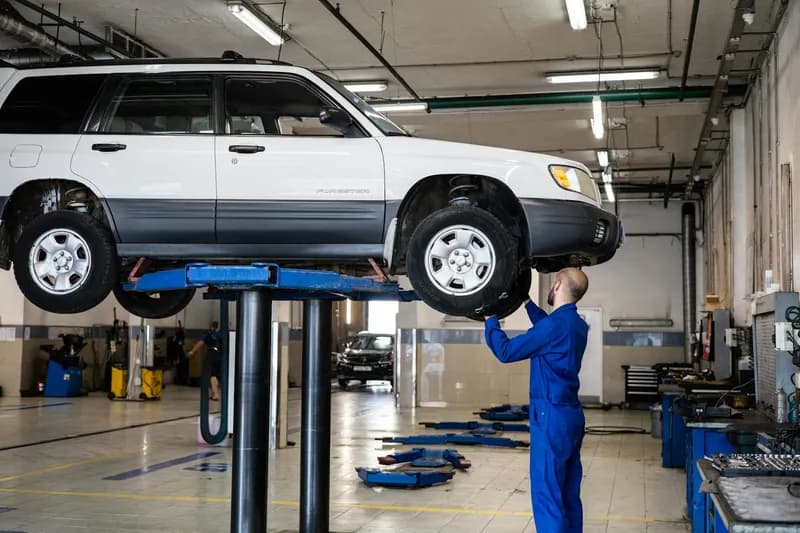
The heart of any vehicle is its engine, and for used cars, ensuring its robust performance is essential. Begin by inspecting the engine bay for signs of fluid leaks, corrosion, or damaged hoses and belts, which can be indicators of poor maintenance. Darkened or low-level engine oil could signal neglect in servicing.
Upon test driving the car, pay attention to unusual noises such as knocking or whining, which might hint at mechanical problems. Check for vibrations in the steering wheel or pedals, as these can indicate alignment issues or worn transmission components. Examine the exhaust for excessive smoke or unusual emissions, both of which require immediate attention.
Safety Features
Safety is paramount, whether for a new car or a used one. Ensure that all safety features are in good working order. Inspect seat belts for wear and ensure they retract properly. The airbags must be checked through a diagnostic scan, as visual inspection alone may not detect issues.
Furthermore, ensure anti-lock braking systems (ABS) and traction control systems are functional. These are crucial for maintaining control of the vehicle during adverse conditions. A failure in any of these systems could render a vehicle unsafe and should be rectified before purchase.
Price and Variants
A fair price for a used car should reflect its current condition, age, and the market supply and demand for that model. Research the vehicle's make and model to ensure you understand typical market prices, which can be achieved via online resources or by consulting professionals.
Consider the variants and possible additional features that come with each. Sometimes higher-end variants can provide better value in the long run due to enhanced features, even if they command a higher upfront cost.
Comparison with Competitors
In the competitive used car market, understanding how the vehicle in question stacks up against similar options is essential. Compare the car's price, features, reliability, and maintenance costs with other models in the same category.
Famous competitors often include similar vehicles from the same manufacturer or competitors within the price bracket. Take note of the resale value and longevity reports of these models, as these factors can guide your purchasing decision to align with future needs.
Pros and Cons
Every used car purchase presents a unique set of advantages and pitfalls. Pros of buying used vehicles include lower purchase costs, reduced depreciation impacts, and a wider selection of models and years.
However, potential cons include the risk of inheriting mechanical faults, lack of warranty, and potential higher maintenance costs when compared to a new vehicle. Balancing these against your budget and requirements is crucial.
Should You Buy It / Final Verdict
Deciding to purchase a used vehicle involves carefully weighing its current condition and future prospects. If the inspection reveals minor, easily rectifiable issues, and the price reflects these, then buying could be a smart move. However, if significant red flags, such as major engine or transmission faults, are identified, reconsideration is wise unless the seller adjusts the price accordingly.
A vehicle that passes a comprehensive inspection, like Nxcar's 280+ point check, offers peace of mind and assurance that you're investing in a quality vehicle that meets your needs.
Ultimately, purchasing a used car can be a rewarding experience when armed with the right information and inspection insights. With Nxcar's exhaustive 280+ point inspection process, every detail is meticulously evaluated, ensuring potential buyers can make confident, informed decisions. Trust Nxcar to guide you through the nuances of used car purchasing, providing expertise and assurance every step of the way.