
India’s launch calendar is getting busier, and more diverse
If the last couple of years were about SUVs becoming the default choice, the next phase looks like it will be about powertrain variety and smarter packaging. Manufacturers are now juggling petrol and diesel updates, CNG expansions, strong hybrid options, and an accelerating push into EVs. For buyers, that means more choice, but also more decisions, because the ‘best’ car is increasingly tied to your usage pattern, city, and charging access.
Below is a look at upcoming launches in India that are widely expected on the horizon. Timelines can shift, and variants can change close to launch, but the bigger story is clear, brands are lining up products to plug gaps in their portfolios and respond to fast changing customer expectations.
Upcoming launches to watch, by segment
1) The next wave of compact and mid size SUVs
Why this segment matters: Compact and mid size SUVs remain India’s volume centre. They also have the widest spread of buyers, from first time upgraders to families moving from hatchbacks and sedans. Expect the next set of launches to focus on safer bodies, more driver assistance tech, improved infotainment, and better real world fuel economy rather than just bigger touchscreens.
What to expect: Facelifts and new generations are likely to bring features like 360 degree cameras, ventilated seats moving down the price ladder, and connected car suites with better app stability. A key trend is powertrain tuning for drivability, not just peak numbers, because urban traffic is shaping what buyers value most.
Buyer tip: If you are shopping in this class, check not just claimed mileage but also gearbox calibration. A smooth torque converter automatic or a well tuned CVT can feel far more relaxing than a dual clutch in heavy traffic, even if the brochure looks less exciting.
2) New EVs aimed at mainstream buyers
Why EV launches are different now: Earlier EV adoption was often limited by high prices and limited charging. That equation is slowly shifting. More public chargers are appearing in metros and along key corridors, and manufacturers are now trying to make EV ownership simpler with bundled charging solutions and longer warranties.
What to expect: New EVs in India are increasingly focusing on range consistency, thermal management, and charging speed. Globally, EV brands are also improving regenerative braking tuning to feel more natural. Another emerging factor is software, cars will ship with more over the air update capability, and sometimes paid feature unlocks.
Automotive insight: Real world EV range is heavily affected by speed and climate control usage. If you do frequent highway runs at 90 to 110 kmph, you should plan with a healthy buffer rather than relying on headline range figures.
3) Strong hybrids and the ‘middle path’ for high mileage users
Why hybrids are gaining attention: For many Indian buyers, hybrids promise a practical bridge, better city efficiency without charging dependence. Strong hybrids, which can drive on electric power at low speeds, are particularly interesting for stop start traffic.
What to expect: More brands are expected to explore hybrid options, either through partnerships or in house development. The focus will be on reducing cost premiums and making service support easier outside major cities.
Buyer tip: If you do a lot of city running, a strong hybrid can deliver impressive efficiency, but it is worth checking battery warranty terms and replacement costs, because long term peace of mind matters as much as day one performance.
4) New generation MPVs and three row family movers
Why MPVs still matter: SUVs may dominate conversations, but MPVs remain the most sensible way to move seven people in comfort. Expect upcoming MPV updates to improve cabin flexibility, second row comfort, and safety equipment.
What to expect: Better packaging with usable third rows, improved air conditioning distribution, and more thoughtful storage. With families doing more road trips, features like rear window blinds, multiple charging ports, and strong mid range torque are becoming deal makers.
Automotive insight: A vehicle’s wheelbase and suspension tuning often matters more to rear seat comfort than engine output. If your family spends time in the back, take an extended test drive on broken roads before deciding.
5) Premium SUVs and EV crossovers for aspirational buyers
Why this space is growing: Premium launches are increasingly targeted at buyers upgrading from top end mainstream SUVs. This is where you will see the quickest adoption of advanced driver assistance systems, better sound insulation, and more powerful electrified options.
What to expect: More premium EV crossovers and SUVs with improved fast charging, higher quality interiors, and longer feature lists. On the ICE side, expect more turbo petrols, mild hybrid assist, and cleaner emissions tech.
Buyer tip: If ADAS is on your must have list, test it in realistic conditions. Lane markings, traffic behaviour, and cut ins in India can make the experience very different from the demo video.
Related Reading
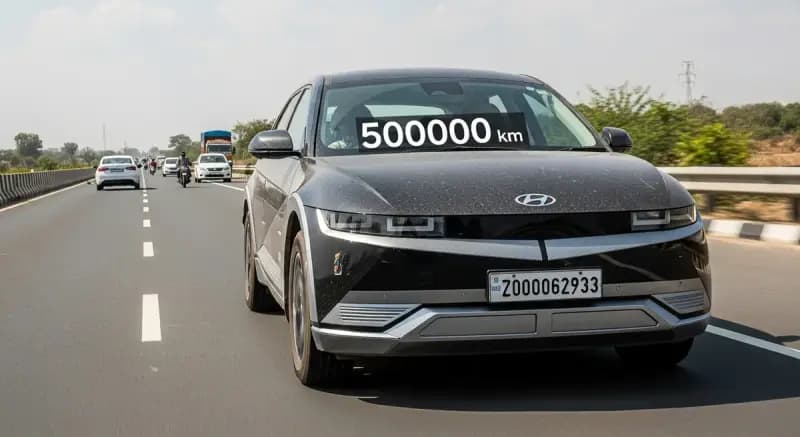
Long-Term Review: 50,000 km with the Hyundai Ioniq 5Key trends shaping upcoming launches
Safety is becoming a headline feature
Six airbags, electronic stability control, and stronger bodyshell engineering are steadily becoming more common. Buyers are also asking harder questions about crash test performance and ISOFIX usability. This is a welcome shift, and it is pushing manufacturers to treat safety as a selling point rather than a footnote.
Cabin tech is maturing, but usability matters
Touchscreens are getting larger, but the better cars are also improving basics like screen responsiveness, camera clarity at night, and voice command accuracy. The best upcoming launches will be the ones that balance digital features with physical controls for frequently used functions like temperature and volume.
Powertrain strategy is diversifying
Instead of a one size fits all engine approach, brands are tailoring line ups by city and usage type. CNG continues to be relevant for high running costs, turbo petrols are popular for performance, and hybrids are being positioned as the efficiency solution for buyers not ready to go fully electric.
Service network and total cost of ownership will influence buying more than ever
With more complex drivetrains and electronics, after sales support is becoming a major differentiator. Warranty packages, roadside assistance, battery coverage for EVs, and service interval transparency are likely to be highlighted during launches, and rightly so.
How to decide whether to buy now or wait
If you are torn between buying a current model or waiting for an upcoming launch, use these practical filters:
1) Your urgency: If you need a car in the next two months, waiting can be stressful, because launch dates and deliveries often slip.
2) The type of update expected: A facelift may bring features and design tweaks, while a new generation could change fundamentals like platform, space, and safety.
3) Budget flexibility: New launches often arrive with higher prices, especially for top variants. If your budget is fixed, a well discounted current model can be the smarter buy.
4) Your usage pattern: City heavy use may favour hybrids or EVs. Frequent highway trips may still favour a torquey ICE engine, depending on route and charging options.
Related Reading
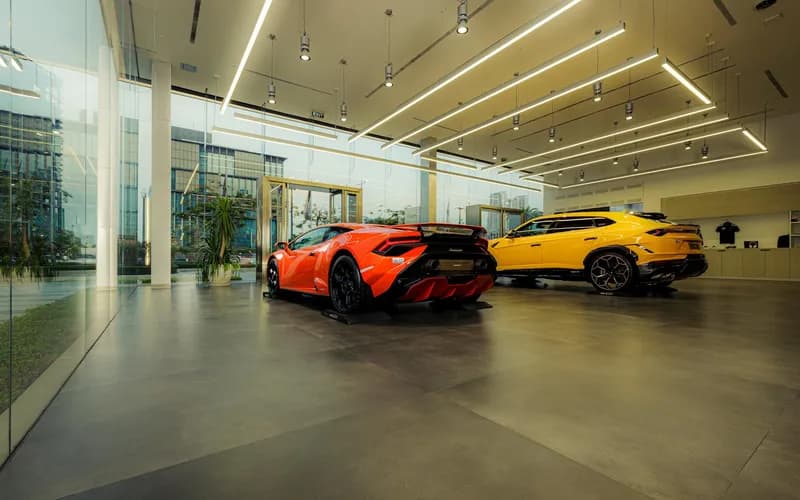
Luxury Cars You Can Buy for the Price of a CretaWhat we will be tracking closely
The most interesting part of the upcoming launch cycle is not just the cars themselves, but how brands position them. Will EV pricing become more aggressive as local manufacturing ramps up. Will hybrids spread beyond a handful of nameplates. Will safety features become standard more quickly. These are the questions that will define the next 12 to 18 months for Indian buyers.
One thing is certain, the market is no longer moving in a single direction. It is branching out, and that is good news if you are willing to shop carefully, compare total ownership costs, and choose a powertrain that matches your daily life rather than your weekend fantasies.
Closing thoughts
Upcoming launches in India are no longer just about ‘new model, new grille’. They reflect a bigger shift in what Indian buyers expect, safer cars, smarter tech, and powertrains that make sense for rising running costs. If you are planning a purchase, keep your shortlist flexible and your research sharp, because the next few launches could genuinely change what good value looks like. We will be keeping a close eye on timelines, variants and real world impressions here at Nxcar, so you can time your upgrade like a pro, not a gambler.