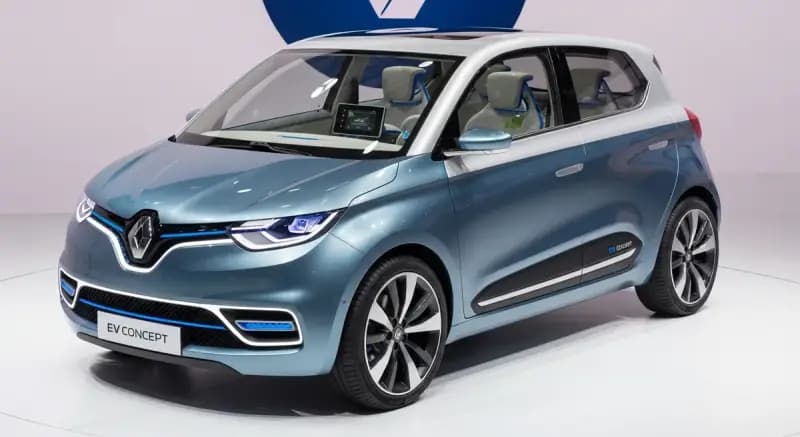
French automaker Renault has unveiled plans to develop an India-specific electric vehicle platform targeting a starting price of Rs 8 lakh, the most aggressive pricing commitment yet from a global manufacturer and a potential game-changer for EV adoption.
The platform, internally designated CMF-A EV, will underpin at least three models: a hatchback, a compact sedan, and a small SUV. Development is underway at Renault's Chennai technical center with engineering support from the Renault-Nissan-Mitsubishi Alliance's global teams.
Engineering Approach
Achieving sub-Rs 10 lakh pricing requires radical engineering compromises. Renault is designing for a 25 kWh battery pack offering approximately 200 kilometers of range, smaller than Chinese-imported alternatives but sized for urban Indian usage patterns.
"We've analyzed that 90% of Indian car journeys are under 30 kilometers," explained Renault India CEO Venkatram Mamillapalle. "A 200 km range vehicle with overnight home charging covers virtually all daily needs without the cost burden of larger batteries."
Manufacturing Investment
Renault will invest Rs 5,000 crore to establish EV manufacturing capacity at its Oragadam plant near Chennai. The investment includes significant localization of electric drivetrain components, targeting 80% domestic content to qualify for maximum government incentives under the PLI scheme.
Related Reading
Air Suspension Systems: Technology and Ownership RealityBattery cells will be sourced initially from South Korea and China, though Renault is in discussions with Exide Industries for a local cell manufacturing partnership.
Competitive Positioning
At Rs 8 lakh, Renault would significantly undercut current offerings. The Tata Tiago EV starts at Rs 11.99 lakh; the MG Comet at Rs 9.99 lakh. The pricing could bring EVs within consideration range for first-time car buyers currently choosing petrol hatchbacks.
Related Reading
The Psychology Behind Pricing a Car ₹999 Below RoundThe first CMF-A EV model is scheduled for launch in late 2026.
Regional Variations
The impact will vary across different Indian markets. Metropolitan areas with higher purchasing power may see accelerated adoption of new technologies and brands. Tier-2 and Tier-3 cities, which increasingly drive automotive sales growth, will likely follow different adoption curves based on infrastructure readiness and price sensitivity.
Looking Ahead
As the Indian automotive market matures, developments like these reshape the competitive landscape. The coming years will reveal which players successfully navigate these transitions and which struggle to adapt. Consumers ultimately benefit from increased competition and innovation, though the transition period may bring uncertainty for some segments.
Industry Impact
This development carries significant implications for India's automotive ecosystem. Industry analysts suggest that the ripple effects will be felt across the supply chain, from component manufacturers to dealership networks. The competitive landscape is likely to shift as established players respond to market dynamics and consumer expectations evolve.
Curated with care by the Nxcar team. Our fascination with automobiles , old and new , inspires us to bring you stories that matter.