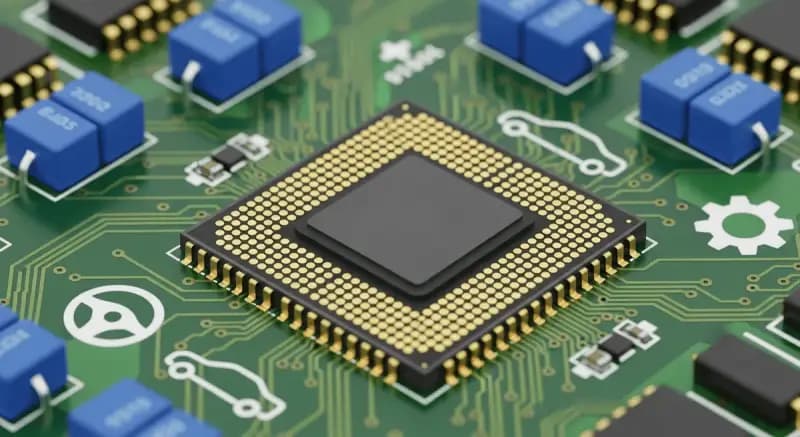
After nearly three years of unprecedented semiconductor shortages that crippled global automobile production, the Indian automotive industry is finally seeing significant relief. Average waiting periods for new cars have dropped by approximately 50% compared to their peak in late 2022.
Data compiled by the Federation of Automobile Dealers Associations (FADA) shows that the average waiting period across all segments has fallen from 16 weeks in December 2022 to approximately 8 weeks in December 2024. Some popular models that previously had waiting lists exceeding 12 months are now available within 4-6 weeks.
Supply Chain Recovery
The improvement stems from multiple factors: increased semiconductor production capacity in Taiwan and South Korea, diversification of chip supply chains, and automotive companies redesigning vehicles to use alternative chips.
Related Reading
The Pollution Nobody Talks About and How Brake Dust and Tire Wear Impact Your Used Car Purchase"Manufacturers have learned from the crisis," explains Automotive Component Manufacturers Association president Sunjay Kapur. "They've reduced dependency on single-source components and built strategic inventory buffers."
Model-Specific Updates
Several previously hard-to-get vehicles are now more accessible:
The Mahindra Thar, which at its peak had a 2-year waiting list, is now available within 3-4 months for most variants. The Toyota Innova Hycross wait has dropped from 18 months to 6 months. Maruti Suzuki's Jimny, initially facing 12-month delays, is now deliverable within 8 weeks.
Premium vehicles have seen even more dramatic improvements. Mercedes-Benz and BMW models that were previously allocated quarterly are now available from stock at many dealerships.
Pricing Implications
Related Reading
Most Fuel-Efficient Used Cars in India: A Smart Buyer's GuideThe supply improvement has stabilizing effects on pricing. During the shortage, many dealers charged significant premiums over list prices. This practice has largely disappeared, and some manufacturers are even offering discounts to move inventory.
"The power is shifting back to consumers," notes automobile consultant Anurag Gupta. "We're seeing competitive offers, exchange bonuses, and financing deals that were unthinkable 18 months ago."
However, experts caution that the semiconductor market remains vulnerable to geopolitical disruptions, particularly tensions around Taiwan.
Consumer Perspective
For Indian car buyers, these changes present both opportunities and considerations. Price-conscious consumers may find new value propositions emerging, while those focused on long-term ownership costs should factor in evolving technology and service networks. The market is becoming increasingly sophisticated, requiring buyers to make more informed decisions.
Related Reading
Cars in Music Videos: From MTV to YouTube's Golden EraRegional Variations
The impact will vary across different Indian markets. Metropolitan areas with higher purchasing power may see accelerated adoption of new technologies and brands. Tier-2 and Tier-3 cities, which increasingly drive automotive sales growth, will likely follow different adoption curves based on infrastructure readiness and price sensitivity.
Looking Ahead
As the Indian automotive market matures, developments like these reshape the competitive landscape. The coming years will reveal which players successfully navigate these transitions and which struggle to adapt. Consumers ultimately benefit from increased competition and innovation, though the transition period may bring uncertainty for some segments.
Industry Impact
This development carries significant implications for India's automotive ecosystem. Industry analysts suggest that the ripple effects will be felt across the supply chain, from component manufacturers to dealership networks. The competitive landscape is likely to shift as established players respond to market dynamics and consumer expectations evolve.
At Nxcar, our team shares an undying love for automobiles and the stories behind them. This article is a testament to that passion.