Introduction
The electric vehicle revolution is in full swing globally, with environmental concerns and sustainable living driving the shift from fossil fuels to electric powertrains. However, the Indian automotive market presents a distinct scenario where tradition meets innovation. The question arises, are electric cars finally practical in India? With unique road conditions, infrastructural barriers, and a diverse range of consumer needs, the Indian context requires careful examination of the practicality and appeal of electric vehicles.
In recent years, India has witnessed a significant push towards electric mobility, supported by government initiatives and a growing recognition of the need to address pollution and energy dependency. Yet, for electric cars to become a mainstream choice, they must prove to be not only environmentally friendly but also convenient, cost-effective, and enjoyable to drive for the end-user. This article delves into the facets of electric vehicles in India, examining their practicality in today's landscape.
Design and exterior
When it comes to design, electric cars in India exhibit a wide spectrum of styles, ranging from ultra-modern to classic looks, catering to diverse consumer tastes. Manufacturers like Tata Motors, Mahindra, and Hyundai have introduced electric models that blend aesthetic appeal with aerodynamic efficiency. For instance, the Tata Nexon EV has managed to capture attention with its bold SUV stance combined with distinctive EV elements such as blue accents and closed grilles.
Electric cars are generally designed keeping in mind the increased efficiency required by their electric powertrains. Sleek, aerodynamic exteriors are not just for show; they reduce drag, thereby increasing the vehicle's range. However, the Indian market also values ruggedness to deal with varied road conditions, and manufacturers have responded by ensuring their electric offerings are both stylish and robust enough to handle Indian roads.
Interior and features
The interiors of electric cars present a fresh take on traditional layouts, often featuring futuristic design elements and high-tech interfaces. Consider the Mahindra eVerito, which, while based on an existing platform, incorporates enhancements like a digital instrument cluster and eco-friendly materials to align with its electric credentials.
Modern electric vehicles (EVs) are equipped with a plethora of features such as touchscreen infotainment systems, smartphone integration, connected car technology, and climate control systems optimised for efficiency. The emphasis is on creating an intuitive driving experience while maintaining comfort and convenience for passengers, which is a crucial selling point in a market as diverse as India.
Engine and performance
At the heart of any vehicle's practicality is its performance, and electric cars have made remarkable strides in this area. The Tata Nexon EV, for example, boasts a 129 PS electric motor, capable of propelling the car from 0-100 km/h in under 10 seconds, showcasing that EVs can offer exhilarating performance comparable to their petrol and diesel counterparts.
Moreover, electric powertrains provide instant torque, resulting in a seamless and responsive driving experience ideal for navigating through congested city traffic. However, range anxiety remains a crucial consideration, with EVs like the Hyundai Kona Electric offering ranges of up to 452 km on a single charge, addressing some of these concerns.
Safety features
Safety in electric cars extends beyond the conventional. Most contemporary EVs in India come backed with standard safety features such as airbags, ABS with EBD, and rear parking sensors. Additionally, electric vehicles often incorporate unique safety systems, such as battery management systems and high-strength steel frames to protect the battery and passengers in the event of a collision.
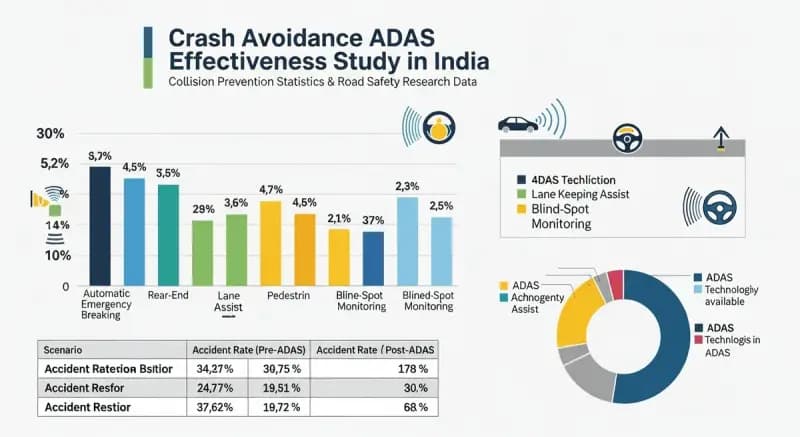
Another key safety feature in EVs relates to their quieter operation, which necessitates enhanced pedestrian warning systems, an important consideration in busy urban environments. Manufacturers are also focusing on implementing advanced driver-assistance systems (ADAS) to further safeguard drivers and pedestrians alike.
Price and variants
While the initial cost of electric cars can be higher than traditional vehicles, incentives and subsidies provided by the government can significantly offset these expenses. For instance, under the FAME II scheme, consumers can benefit from subsidies on EV purchases, making models like the Tata Tigor EV and Mahindra eVerito more accessible.
Pricing for electric cars varies widely in India, with entry-level models such as the Tata Tigor EV starting at around ₹12 lakh, while more premium offerings like the Hyundai Kona Electric are priced closer to ₹25 lakh. The variety of models and variants available means that consumers have choices depending on budget and specific needs.
Comparison with competitors
The electric vehicle market is growing, but traditional internal combustion engine (ICE) vehicles remain formidable competitors. EVs have the upper hand in energy efficiency and environmental impact, with zero tailpipe emissions and reduced fuel costs. For example, India's EVs save owners significant sums over time due to lower electricity costs compared to petrol or diesel.
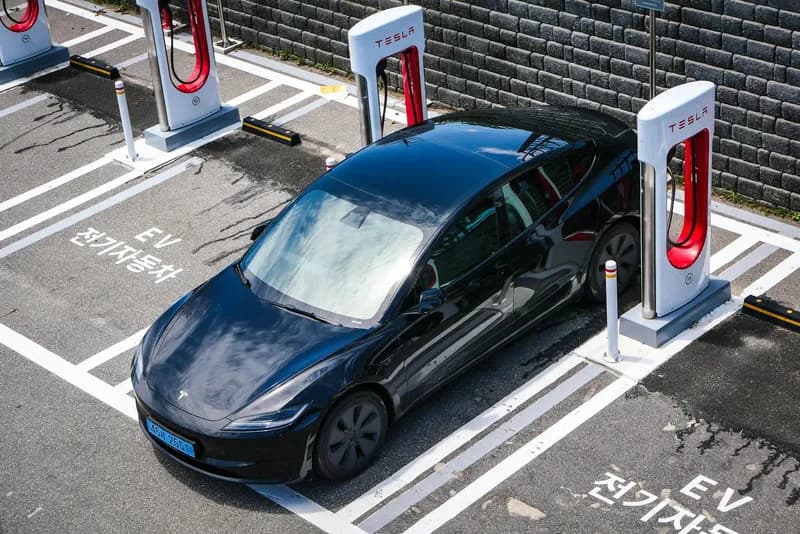
However, ICE vehicles still lead in refuelling convenience and initial purchase price. Moreover, the widespread availability of petrol stations contrasts with the relatively nascent charging infrastructure in India. This infrastructure challenge is a significant hurdle electric vehicles face in their quest to become as practical as conventional cars.
Pros and cons
Electric cars offer numerous advantages, such as reduced running costs, zero emissions, government incentives, and a quieter, smoother driving experience. They're particularly well-suited to urban environments, where their quick acceleration and regenerative braking come into their own.
On the downside, the limited charging infrastructure, longer recharge times, and higher initial purchase costs remain significant barriers. Range anxiety, though being addressed with technological advancements, remains a psychological hurdle for many potential buyers in India.
Should you buy it / Final verdict
Deciding whether an electric car is the right choice hinges on individual priorities. For environmentally conscious urban dwellers, EVs represent an excellent opportunity to reduce their carbon footprint while enjoying state-of-the-art technology. However, those frequently travelling long distances or residing in areas with limited charging facilities may find traditional vehicles more practical.
Buyers should also consider future benefits, as the expansion of charging infrastructure and technological advancements promise to address current limitations. The long-term cost savings and positive environmental impact also add weight to the argument for choosing electric vehicles over conventional options.
As we've explored, electric cars are steadily becoming a viable option for Indian consumers, driven by innovation and evolving infrastructure. Their practicality, while not without challenges, is set to improve as technological and infrastructural advancements continue. For those keeping an eye on the latest automotive trends, Nxcar remains your go-to source for in-depth analysis and updates on the rapidly evolving world of electric vehicles in India.