It's just cleaning a car, yet the car wash has evolved from bucket-and-sponge manual labor to automated tunnels to hand-wash detailing studios. This mundane service reflects changing relationships between vehicle owners and their machines.
Manual Era
Traditional car washing was owner labor or servant labor. The driver, domestic help, or driver's assistant washed vehicles, a weekly or daily ritual depending on dust conditions. The process built connection between person and vehicle.
Commercial Emergence
Commercial car washes emerged as labor costs increased and time value rose. Why spend an hour washing when someone else could do it during lunch? Early commercial operations were simple: manual washing by employees using basic equipment.
Automation
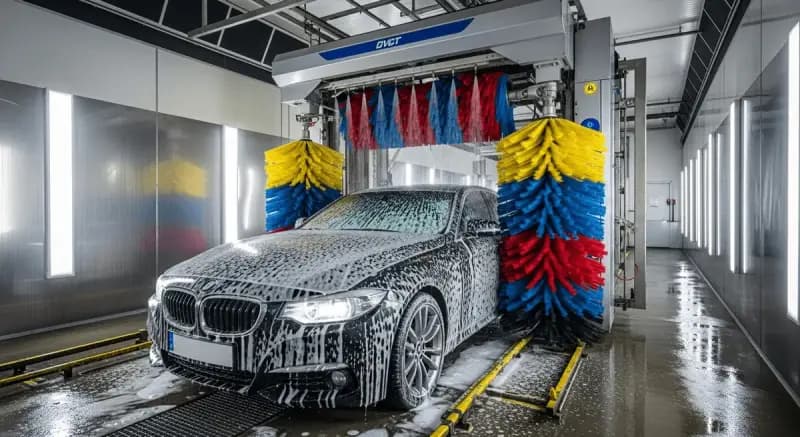
Automated car washes, tunnel systems with mechanical brushes and dryers, arrived in India late compared to developed markets. Water restrictions, electricity costs, and labor availability delayed automation that was standard in America by the 1960s.
Modern automated washes offer speed and consistency but can damage paint and miss details.
Detailing Renaissance
The premium end swung back to manual processes. "Detailing" studios offer elaborate hand washing, paint correction, ceramic coating, and interior restoration. A full detail might take days and cost Rs 10,000-50,000, creating results automatic washes cannot approach.
Water Consciousness
Waterless and steam cleaning technologies address environmental concerns. Traditional washing uses 150-200 liters; waterless methods use 1-2 liters. Environmental regulation may eventually mandate water-efficient methods.
Future Directions
Subscription models offer unlimited washes for monthly fees. Mobile washing brings services to homes and offices. The basic service grows increasingly sophisticated while maintaining the fundamental promise: a clean car for owners who won't (or can't) do it themselves.
Generational Perspectives
Different generations relate to automotive culture differently. Those who remember the scarcity of the license raj era view car ownership through a different lens than millennials who've known only market abundance. These varying perspectives create rich narratives around automotive history and future directions.
Regional Variations
India's diverse regions each have unique automotive cultures. From the decorated trucks of Punjab to the vintage car rallies of Mumbai to the modified vehicles of Chennai, local traditions shape how communities relate to automobiles. This diversity is part of India's rich automotive heritage.
Preservation and Memory
As automotive technology evolves rapidly, preserving heritage becomes increasingly important. Museums, collector communities, and documentation efforts ensure that future generations can connect with automotive history. The stories embedded in these machines deserve to be remembered and celebrated.
Cultural Significance
Cars have always been more than transportation in India, they're status symbols, family members, and markers of progress. Understanding this cultural context enriches appreciation for automotive heritage. The emotional connections people form with their vehicles transcend rational economic calculations.
At Nxcar, we celebrate automotive culture in all its forms , from vintage rallies to Bollywood car chases.