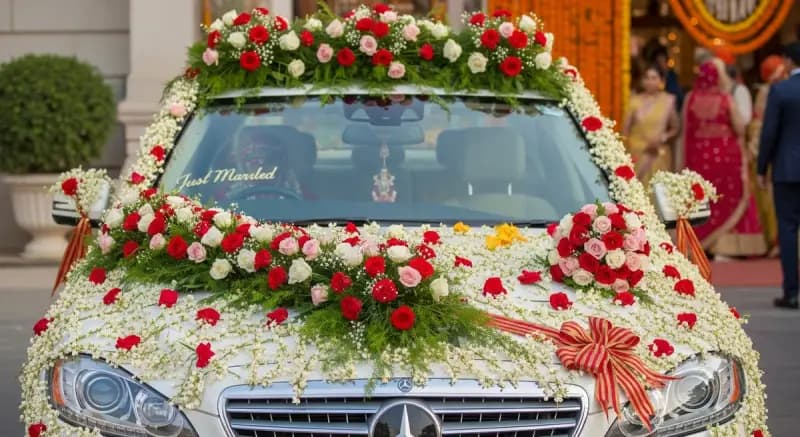
Taking delivery of a car in India involves rituals that would puzzle observers from other cultures. The priest with coconuts. The flower garlands. The vermillion tilak on the dashboard. These practices reflect how Indians relate to vehicles, not merely as machines but as family members deserving blessings and protection.
The Delivery Puja
Most new car deliveries include religious ceremonies. Hindu families perform puja with coconut breaking, tilak application, and garland decoration. The priest invokes blessings for safe travel. Some dealers have resident priests; others expect owners to bring their own.
The practice extends across religions with variations. Muslim families might recite prayers. Sikhs might perform ardas. The underlying impulse, seeking divine protection for an expensive, potentially dangerous object, is universal.
Registration Numbers
Lucky registration numbers command premiums. Number 9 is auspicious in some traditions; 8 in others. Vanity numbers matching birthdates or spelling names cost extra. The RTO auction for 0001 numbers raises significant revenue.
This isn't superstition alone, it's identity expression. Your number plate is visible to everyone. Making it meaningful is worth paying for.
First Drive Customs
The first drive often follows specific routes: to a temple, to parents' home, in a clockwise direction around an auspicious landmark. Some families won't make the first drive on Tuesdays or Saturdays. The inaugural journey sets the car's destiny.
Customization
Personal touches follow: Om symbols on mirrors, deity statues on dashboards, protective threads tied to mirrors. These aren't decorations, they're spiritual protection for journeys.
As India modernizes, these rituals persist. The car remains a significant possession worthy of blessing.
Generational Perspectives
Different generations relate to automotive culture differently. Those who remember the scarcity of the license raj era view car ownership through a different lens than millennials who've known only market abundance. These varying perspectives create rich narratives around automotive history and future directions.
Regional Variations
India's diverse regions each have unique automotive cultures. From the decorated trucks of Punjab to the vintage car rallies of Mumbai to the modified vehicles of Chennai, local traditions shape how communities relate to automobiles. This diversity is part of India's rich automotive heritage.
Preservation and Memory
As automotive technology evolves rapidly, preserving heritage becomes increasingly important. Museums, collector communities, and documentation efforts ensure that future generations can connect with automotive history. The stories embedded in these machines deserve to be remembered and celebrated.
At Nxcar, we're endlessly fascinated by the cultural significance of automobiles. Every car has a story, and we love telling them.