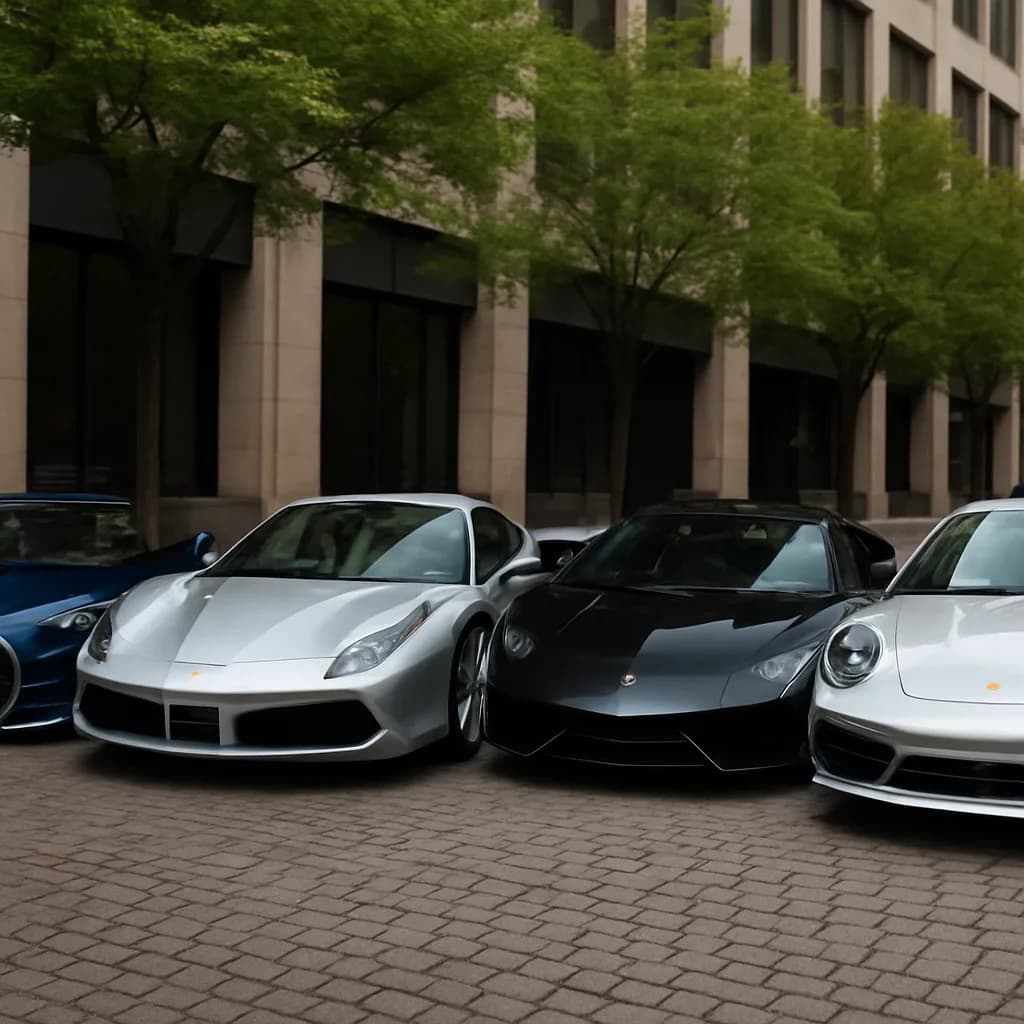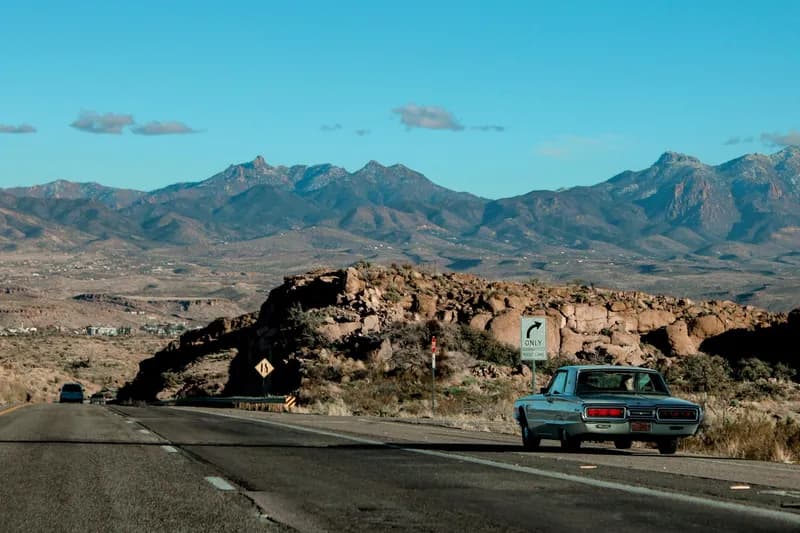
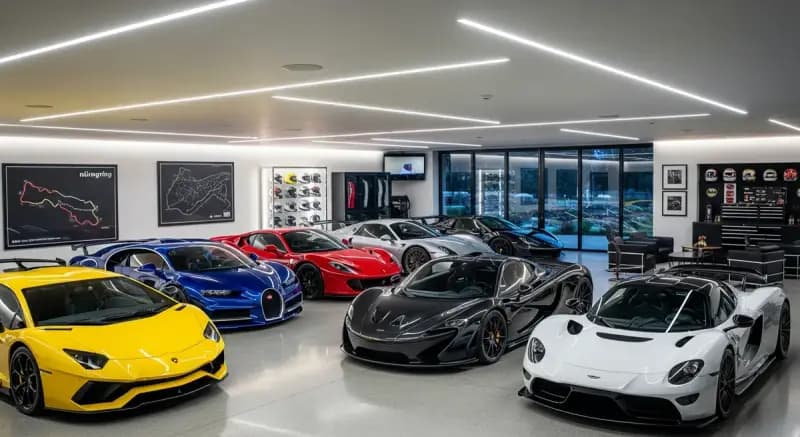
Some people own cars. Others collect them. The difference isn't merely quantity, it's relationship. Car collectors relate to vehicles differently, seeing history, art, and possibility where others see depreciation. Understanding collector psychology illuminates a subculture with surprising depth.
Collector Motivations
Nostalgia drives many collectors, recapturing vehicles from youth or family memory. The car represents not itself but associated experiences. The smell, sounds, and sensations trigger emotional recall.
Historical preservation motivates others. Significant vehicles document automotive evolution. Collectors become curators ensuring future generations can experience original machinery.
Investment motivates some, though pure investors rarely become true collectors. Genuine collectors hold vehicles through market fluctuations; investors flip at peaks.
Indian Collection Scene
India's collection scene is smaller than developed markets but growing. Vintage Rolls-Royces from maharaja fleets command global attention. Ambassador and Fiat collections preserve India's automotive history. Classic Japanese imports from the liberalization era gain collector interest.
Collection Challenges
Parts availability limits collection viability. International collectors access specialized suppliers; Indian collectors often fabricate parts locally. Storage in tropical climates presents challenges, humidity, insects, and neglect threaten stored vehicles.
Community Aspect
Collectors rarely operate in isolation. Clubs, rallies, and exhibitions create community. Knowledge sharing enables restoration. The social dimension often exceeds individual ownership satisfaction.
Economic Implications
Classic car values have increased faster than most investments over decades. The appreciation isn't guaranteed, condition, originality, and market trends matter. But tangible assets with emotional resonance hold value that stocks cannot match.
Collection isn't merely consumption, it's preservation, curation, and community participation.
Cultural Significance
Cars have always been more than transportation in India, they're status symbols, family members, and markers of progress. Understanding this cultural context enriches appreciation for automotive heritage. The emotional connections people form with their vehicles transcend rational economic calculations.
Generational Perspectives
Different generations relate to automotive culture differently. Those who remember the scarcity of the license raj era view car ownership through a different lens than millennials who've known only market abundance. These varying perspectives create rich narratives around automotive history and future directions.
Regional Variations
India's diverse regions each have unique automotive cultures. From the decorated trucks of Punjab to the vintage car rallies of Mumbai to the modified vehicles of Chennai, local traditions shape how communities relate to automobiles. This diversity is part of India's rich automotive heritage.
Curated by Nxcar with nostalgia and love. Cars aren't just about getting somewhere , they're about the journey.